
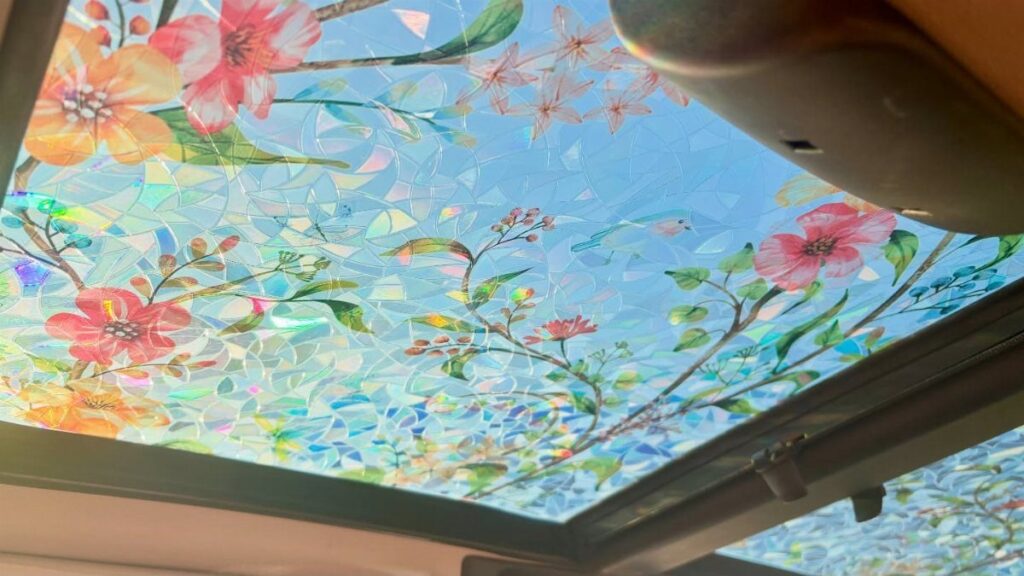
A window covering can be bubble wrap pressed to the glass with water, or solid hardwood shutters you measure and mount yourself.
Which one belongs in your room depends on whether you need the window to still work as a window afterward, because static cling film peels off clean but bubble wrap turns the pane into a soft glow you cannot see through.
Every option on this list can be done in a weekend by one person with basic tools and a budget that stays under three digits.
1. Static Cling Window Film
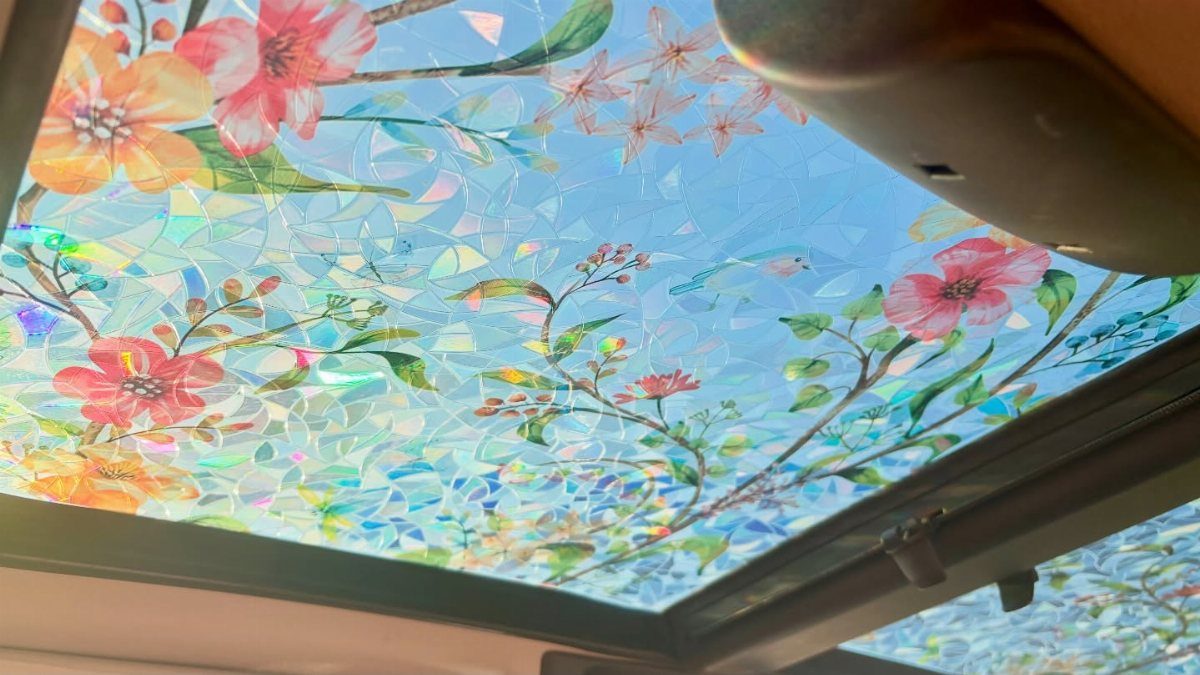
Static cling film sticks to glass without adhesive, so it peels off clean when your lease ends or your mood shifts.
I like the versions printed with botanical patterns; they turn direct sun into colored light without the commitment of stained glass.
Cut it an inch wider than the pane, mist the glass with water, and squeegee the bubbles out toward the edges. A standard roll covers two or three windows.
Best for: bathrooms, street-level bedrooms, or any window where you want daylight without a view in.
2. Cafe Shutters
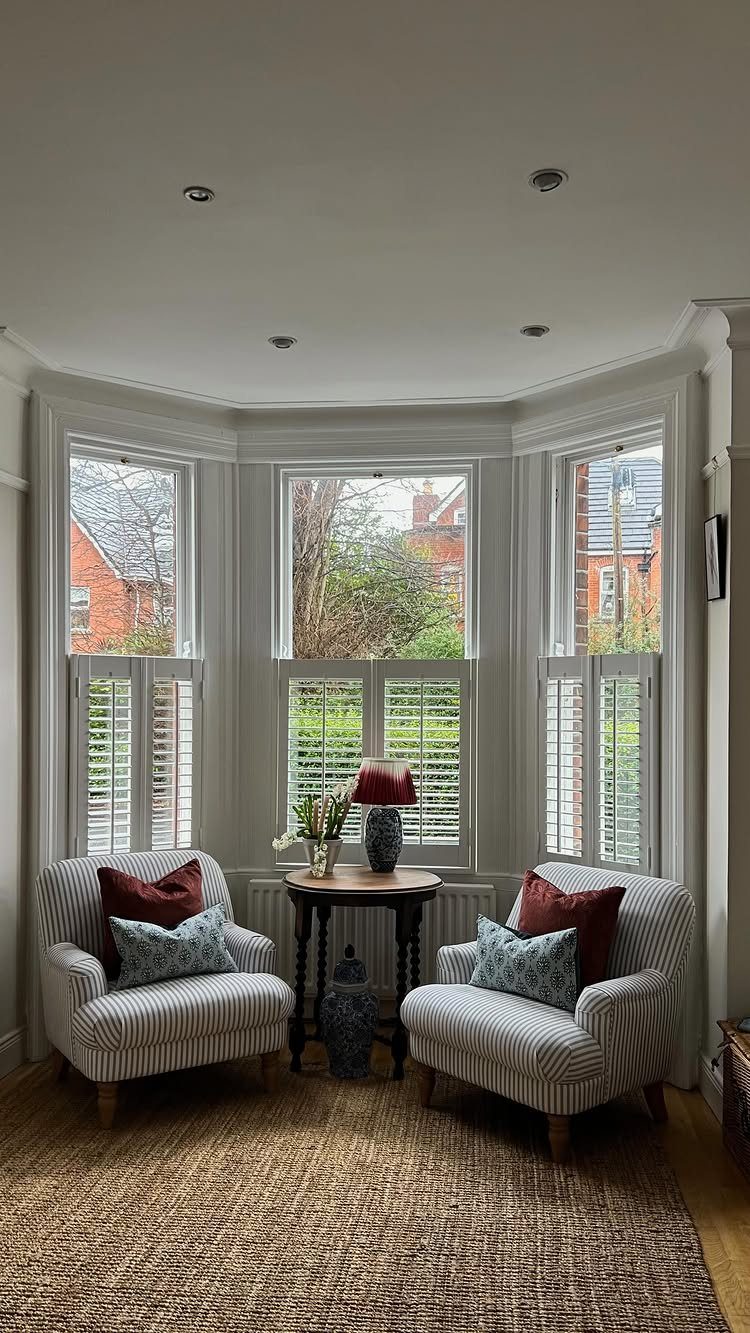
Cafe shutters cover only the lower half of a window, which is the part neighbors actually see into. The upper glass stays open to sky and tree canopy, so a ground-floor room keeps its daylight and its dignity.
I prefer them in bathrooms and kitchens, where full fabric feels heavy and hard to keep clean. Wood composite runs less per window if you measure and install yourself; solid hardwood doubles that.
Mount with simple L-brackets. Getting the rail height right matters: I set it at the sight line from a sidewalk and let the proportions settle themselves.
3. Plants as Window Coverings
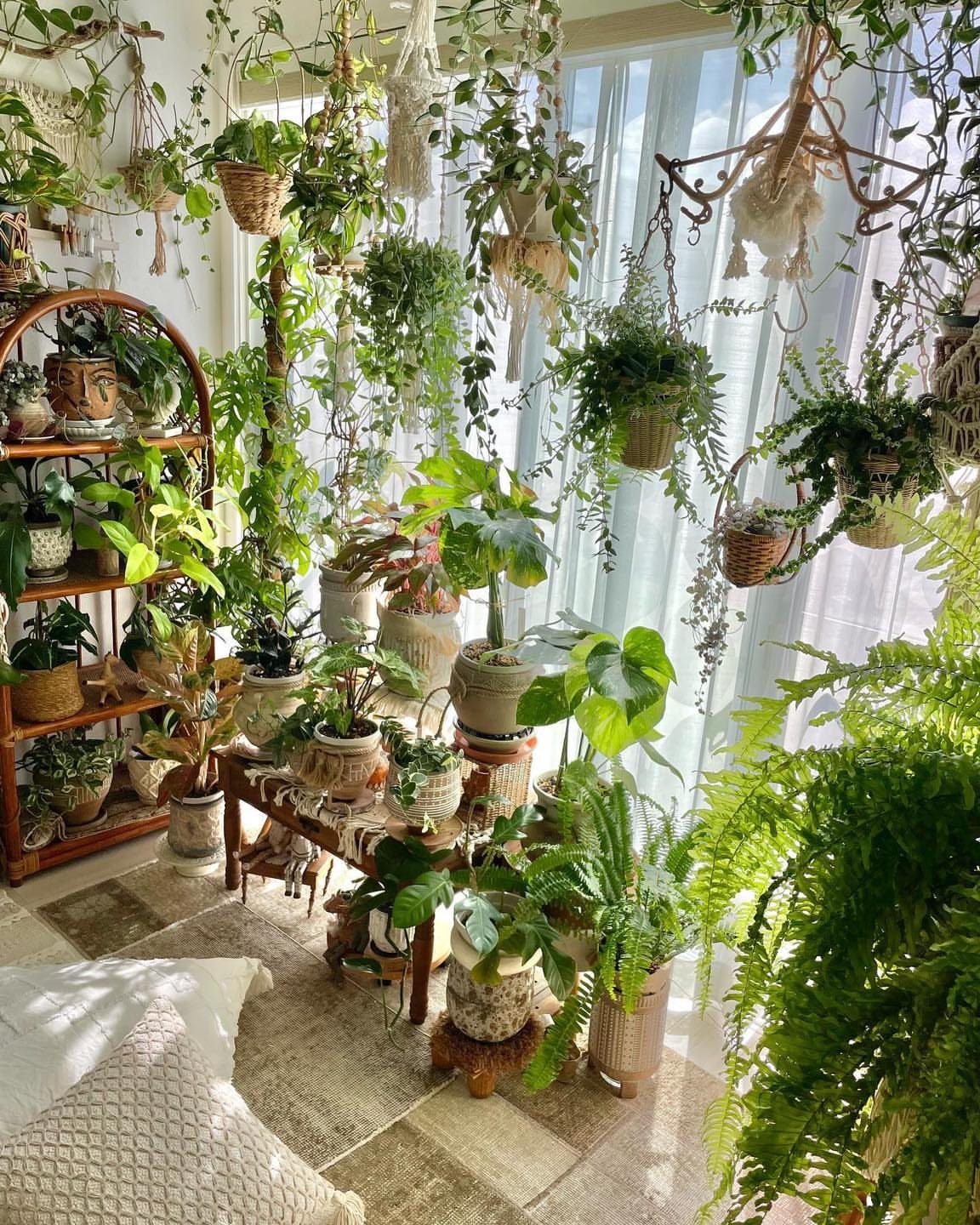
A shelf of trailing pothos or a hanging grid of macrame planters turns a window into a green scrim. Light filters through leaves instead of fabric, and the texture changes all day as sun moves across the glass.
I have seen this work best with plants that tolerate direct light: spider plants, certain ferns, succulents if the window faces south. Maintenance is the real issue; a dead plant in a window is worse than no covering at all.
Start with one sturdy shelf at mid-height and let plants colonize upward. Water carefully; saucers and drip trays matter more here than anywhere else in your house.
4. Bubble Wrap for Insulation
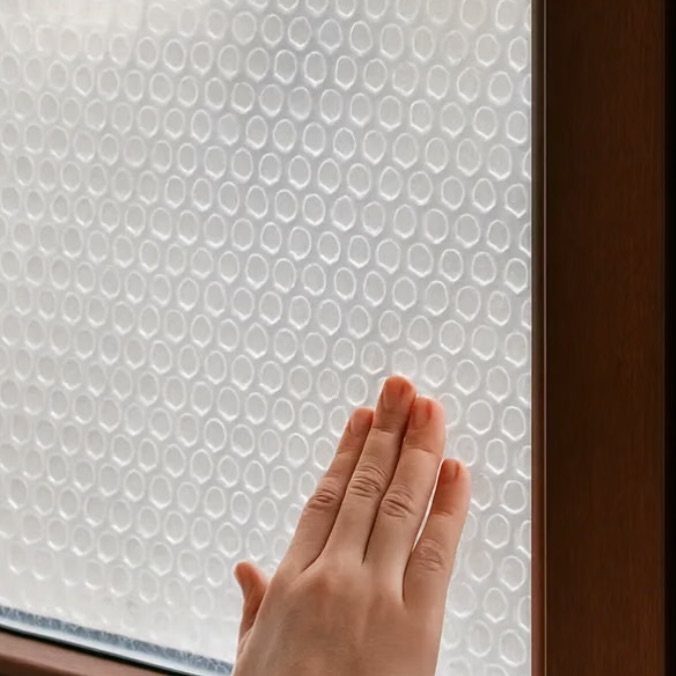
Bubble wrap is the cheapest insulation I know for a single-pane window or a winter rental you do not plan to keep.
The trapped air pockets slow heat loss and scatter light into a soft glow, though you lose any view.
I use the large-bubble kind, the bigger size.
Cut sheets to fit, mist the glass with water, and press the wrap against it; the static holds it for months. A roll costs little and covers several windows.
Peel it off in spring.
It leaves no residue, though the window will need a wipe. I would not do this on a window I looked out of daily; for a basement utility room or a back hall, it earns its keep.
5. Blackout Fabric
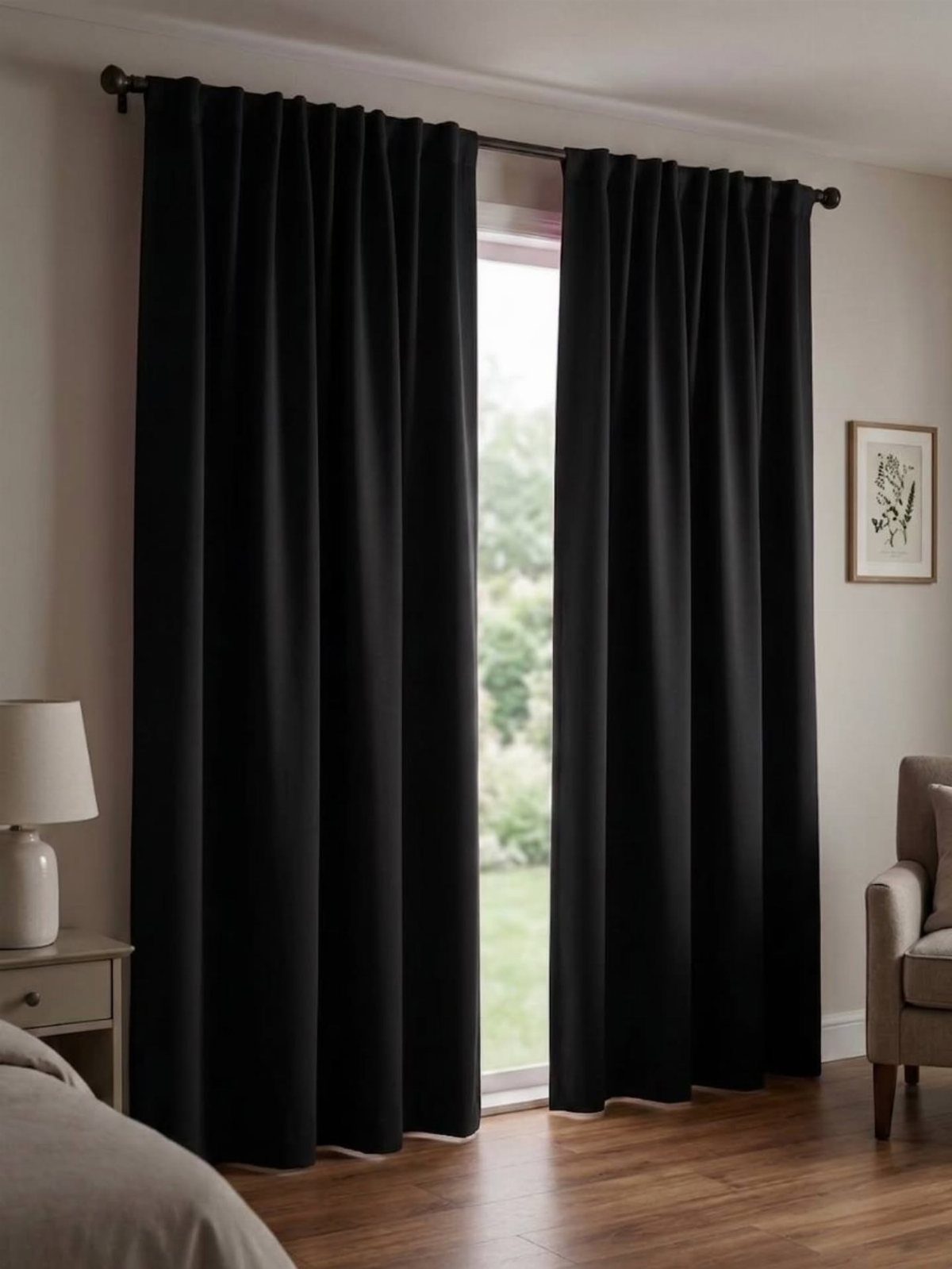
True blackout fabric is coated or laminated, not just thick; held to light, it shows no pinpricks. I hang it on a rod that extends past the window frame and overlaps the wall, because light bleeds hardest at the edges.
Ready-made panels in standard sizes run cheap per pair.
The best value I have found is the kind with grommets and a separate white face; from the street it looks like ordinary lining, but inside the room goes dark enough for night-shift sleep.
Wash cold and line-dry; the coating cracks in a hot dryer. For a rental, clip rings onto a tension rod and take the whole setup with you when you leave.
Considerations for Window Treatments
Start by deciding what the covering needs to do. Privacy, light control, and looks are different jobs; a film that blocks the view does nothing for heat loss, and bubble wrap does nothing for looks.
Window size and how it opens shape what will actually work.
Awning windows hinge at the top and crank outward from the bottom; mount anything too close and the frame hits it every time you open the window. Casement windows swing on a side hinge and need the same clearance.
Shutters work best on large, flat windows where I want to close out the night and fold everything back for daylight.
They take up little space and fit several architectural styles, though matching the shutter shape to the window shape matters for a uniform look. For two-panel windows, the shutter design should follow the window’s own panel layout.
Emergency Window Covering Tips
A broken window needs covering fast to keep weather out, prevent injury, and deter anyone looking for an easy way in.
Secure plywood with lag screws; use weatherstripping tape for plastic sheeting. Photograph the damage and your fix before you start and after, since insurance adjusters often want proof you mitigated the problem.
A sheet of heavy-duty aluminum foil taped over a broken window will not keep out rain or a determined intruder, but it buys time until proper materials arrive.
Photograph the damage first, then remove any loose glass.
Wear gloves and eye protection; fragments hide in the track and the sill. Sweep, then vacuum, then wipe with a damp cloth to catch what you missed.
Frequently Asked Questions
How can I cover my windows cheaply?
Bubble wrap costs almost nothing and covers several windows from one roll; mist the glass and the static holds it for months.
Temporary pleated paper shades run under $10 per window and stick on with pre-attached adhesive. A tension rod and a bedsheet or a leftover panel you already have will go up in under 15 minutes and cost almost nothing.
How to cover a useless window?
Bubble wrap turns a window you never look through into insulation that scatters light into a soft glow.
Plants on a mid-height shelf turn glass into a green scrim that filters light through leaves. Either one accepts a window you do not need to see out of.





