
The 4 ideas below run from free bubble wrap to a pine screen frame that takes an afternoon to build, and the one that fits you depends on whether you need to open that window or seal it shut for good.
The velcro border on the bubble wrap adds about an R-value of 1 against January drafts and peels back when I want a breeze.
1. Static Cling Film
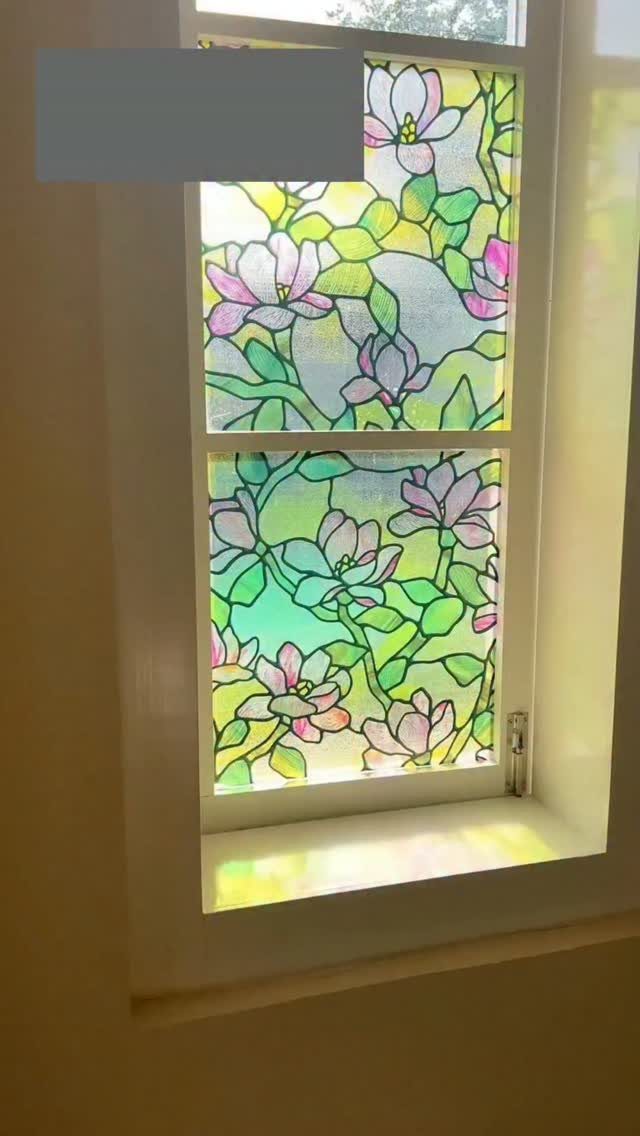
Static cling film sticks with water, not adhesive, so it lifts off clean when your lease ends. Floral static cling film turns direct sun into colored light without losing brightness in the room.
Wet the glass, press the film into place, and squeegee outward to push the water and air out; I trim to final size once it is stuck down so the edge covers the full surface and hides any frame irregularity.
One person can cover a standard bathroom window fast enough that the task never feels like a project.
It works best on smooth glass. Textured panes won’t hold the seal, and the film will peel within days.
2. Frosted Contact Paper
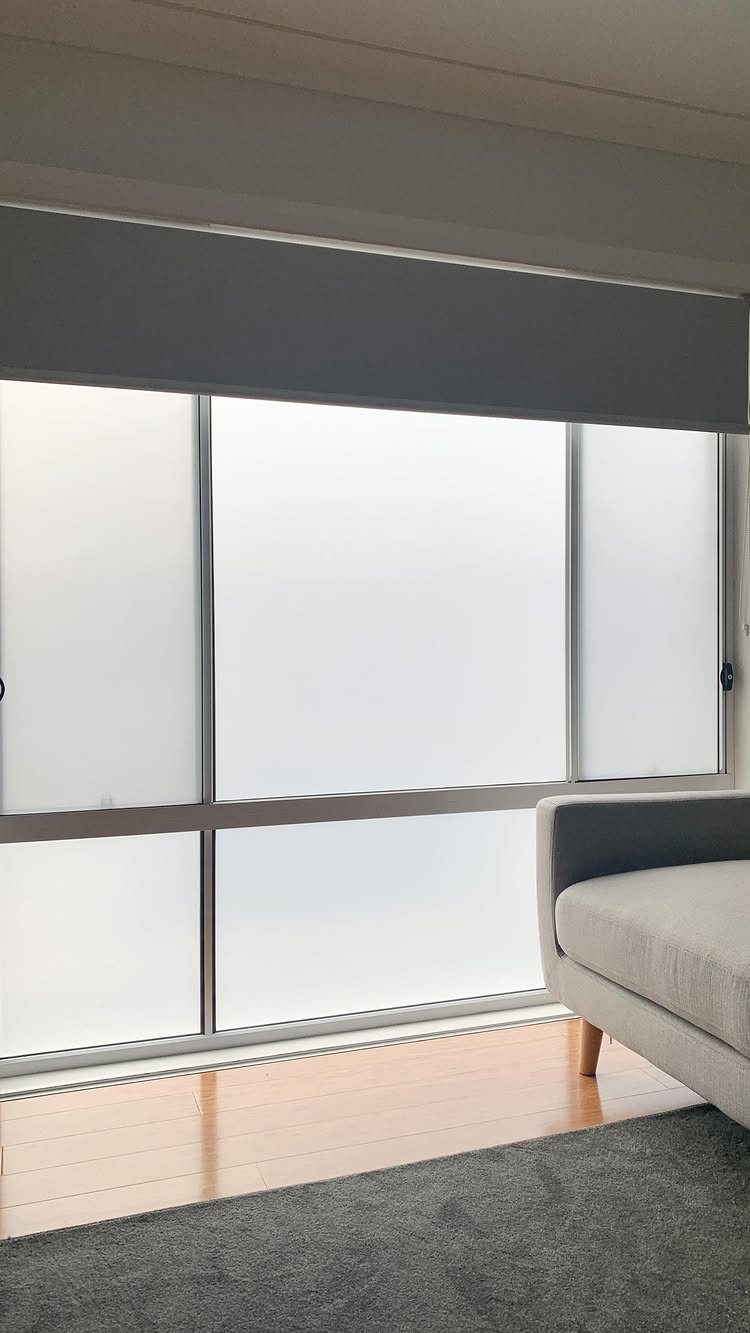
Frosted contact paper costs less than static cling and covers more square feet per roll. Matte frosted contact paper blocks outlines and shadows completely while still moving daylight through.
Measure the pane, add a half inch to each side, and trim after sticking.
A credit card works better than a squeegee for pressing out bubbles on paper this thin; work from the center out and poke any remaining bubbles with a pin.
The adhesive is the real drawback.
It leaves residue that needs Goo Gone or a hair dryer and patience to lift. For a longer rental I’d use it; for a short stay, I’d spend the extra on cling film instead.
3. DIY Privacy Window Screen Frame
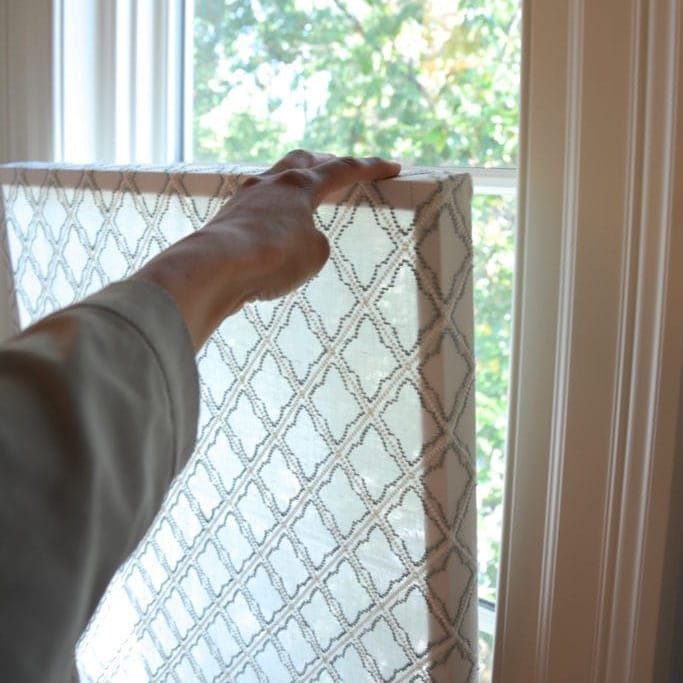
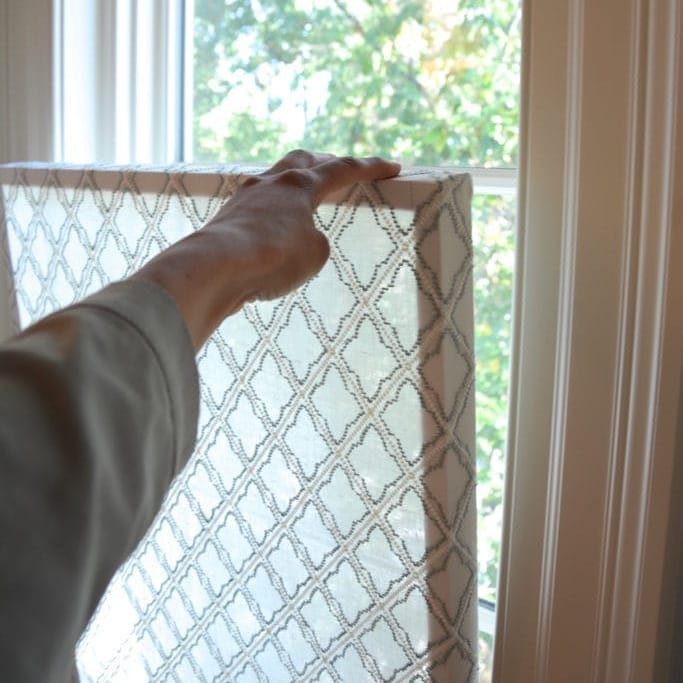
A wood frame wrapped in fabric lets you remove the whole screen in seconds without touching the window. A lightweight lattice print reads as textured glass from a few feet back.
Build the frame from 1×2 pine cut to fit inside the window recess; staple fabric to the back face and fold the corners like wrapping a gift.
Tension keeps it in place on sills with enough depth, or add small rubber feet to grip the sides.
This is the option I would choose for a ground-floor bedroom where I want to open the window on summer evenings. The frame comes out with the glass, unlike any film.
Products like Niviy Frosted Striped Pattern Window Film supply blind-like light filtration and privacy but in a way that is more wallet-friendly than most other types of coverings and involves less frequent dusting and cleaning.
— Hunker
4. Bubble Wrap
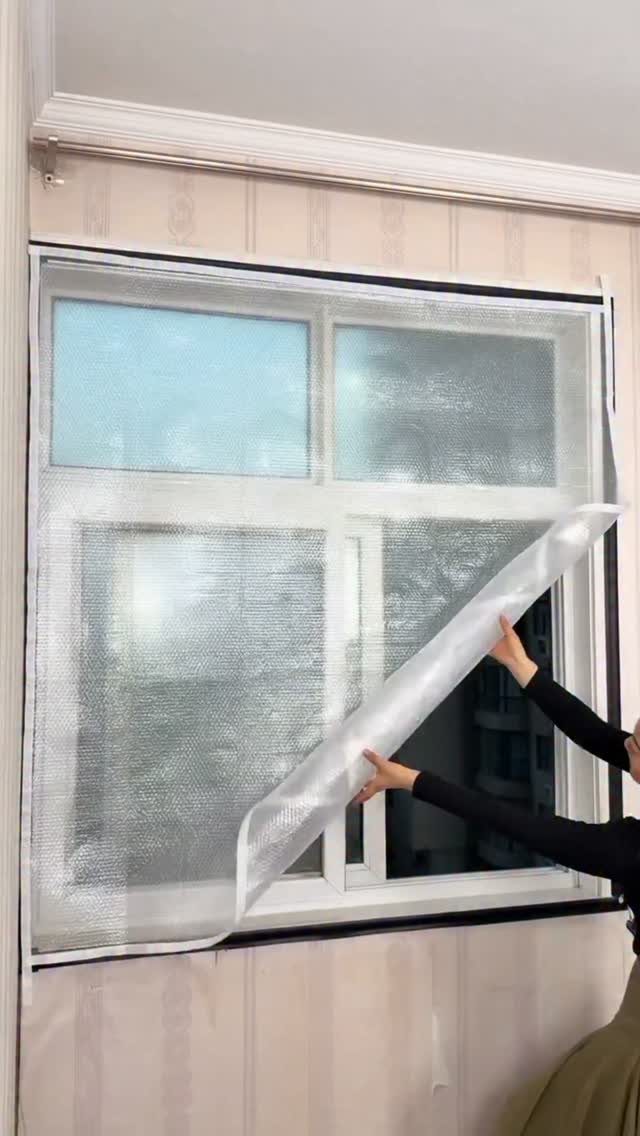
Bubble wrap diffuses light and adds an R-value of about 1 to a single pane, which matters in a drafty winter rental. A velcro border lets the tenant peel it back to open the window or remove it entirely.
Spray the glass with water and press the wrap bubble-side down; the static holds it without tape. For a border that stays put, glue velcro strips to the frame and sew matching strips to a fabric hem around the wrap.
The look is utilitarian. Bubble wrap works on a basement window or a back room where function outweighs appearance, and only through the cold months.
Installation Tips for Window Films
I wash the glass with dish soap and water first; glass cleaner leaves a residue that keeps film from sticking. Ammonia in most cleaners leaves a film that stops cling from sealing.
Trimming after you stick it down covers the full surface and hides any frame irregularity.
A squeegee with a soft rubber edge pushes water and air out without tearing the film. Work from the center in one direction; going back and forth drags air in again.
If you are layering 2 pieces for a wider window, overlap them by a quarter inch and run the squeegee hard over the seam. The join is visible head-on but disappears at an angle.
Standard cling in a bathroom needs a smooth, non-porous surface and careful prep to last; I would spend the extra few dollars on a humidity-rated film if the shower runs daily.
For that room, pick a moisture-resistant film with adhesive backing. The removal is harder but the seal holds.
Considerations for Renters
Tension rods work until they do not.
Longer tension rods bow in the middle under fabric weight, and the rubber ends mark paint over time. For wide windows, use 2 rods or a lightweight material.
Command hooks rated for the actual weight stay up; hooks oversized for the job tear drywall on removal. Test one hook behind the drapery first.
The cure time is longer than the label says in humid climates.
Magnets stick only to steel window housings. Check with a refrigerator magnet before you buy magnetic hardware; aluminum boxes are common in newer construction and magnets will not stick.
A panel cut to fit the window opening needs no hardware at all. Foam board trimmed to a sixteenth of an inch wider than the opening wedges in by friction and stows flat behind furniture.
Cost-effective Materials
A tension rod and a flat bedsheet cost almost nothing if you already have the sheet, and even a new rod is cheap. The sheet costs nothing if you already own one you do not mind hanging in a window.
For a short lease the difference is minor; for a longer stay the residue cost in labor and adhesive remover adds up.
Bubble wrap is free if it arrives in your mail. The R-value of about 1 is real but small; it will not replace weatherstripping on a truly cold window.
Craft films and contact paper can be cut into shapes for a patterned effect, though the labor rises fast.
For a seasonal change the time may be worth it. For pure privacy, the plain roll is faster.
Frequently Asked Questions
What are some cheap temporary blinds for windows?
A flat bedsheet over a tension rod costs almost nothing if you already own the sheet, and a new rod is still cheap. Each skips drilling and comes down without a trace.
How can I cover my windows temporarily?
Tension rods with fabric are fastest: a spring-loaded rod wedges into the frame, no brackets or screws.
A fabric panel on a wood frame lifts out in seconds, and foam board cut slightly wider than the opening stays put by friction alone.
Each material answers a different problem: some stop the view, some stop the light, some slow heat loss. Match the fix to what actually bothers you about the window.
How to make a window not see through from outside?
Static cling film turns clear glass into frosted or patterned glass without adhesive, and matte frosted contact paper blocks outlines and shadows completely.
Both still move daylight through. Bubble wrap works too, though the look is strictly utilitarian.
Will temporary window film damage my glass?
Static cling film uses water tension, not adhesive, so it lifts off without residue and will not harm the glass. Adhesive-backed films, including most moisture-resistant bathroom versions, can leave a film that needs cleaner and patience to remove.
Frosted contact paper falls in the adhesive category: the residue is real, and the longer it stays up, the more Goo Gone or heat you will need.





