
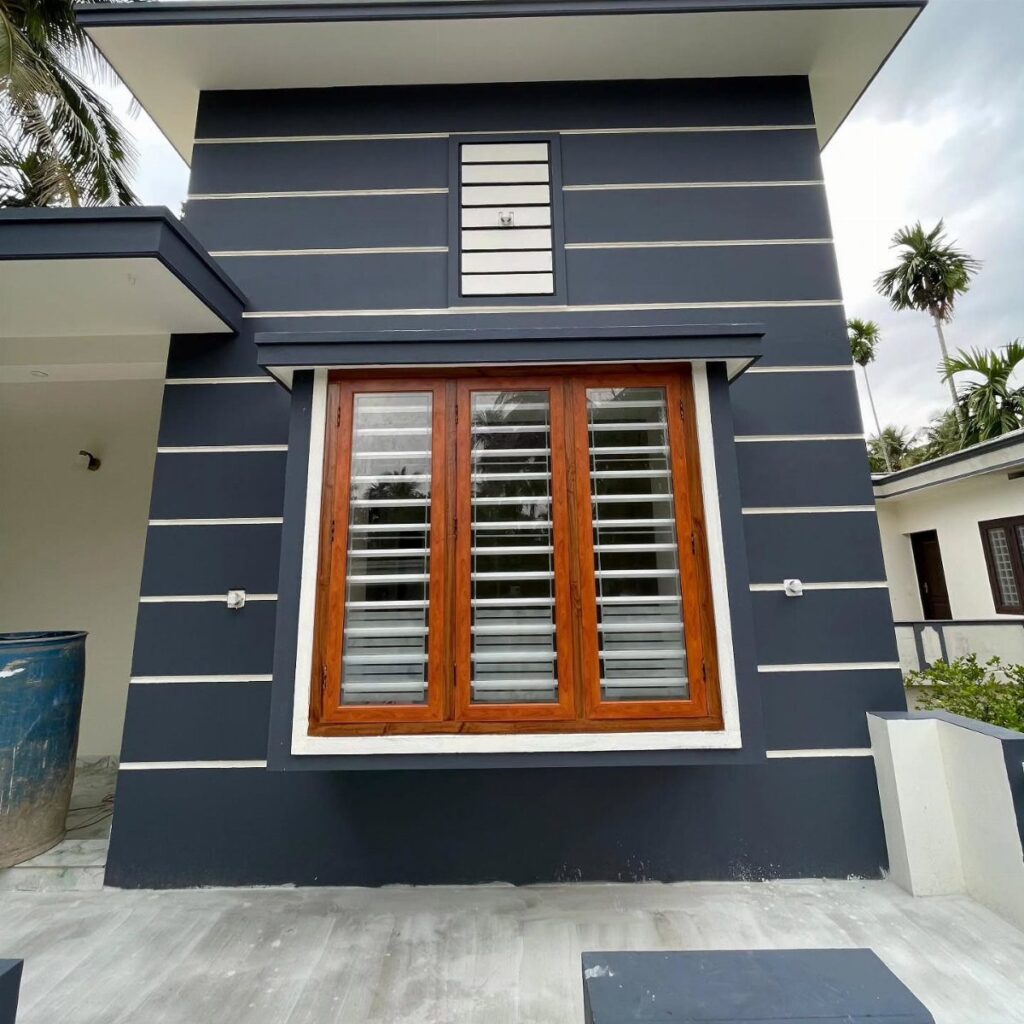
Window choice comes down to what the wall has to give: how much opening it offers, what direction it faces, and what the room inside needs from the light.
I have found that the frame profile matters more than the color, and a slim sight line carries the effect where heavier stock looks like a barn door.
1. Sliding Windows
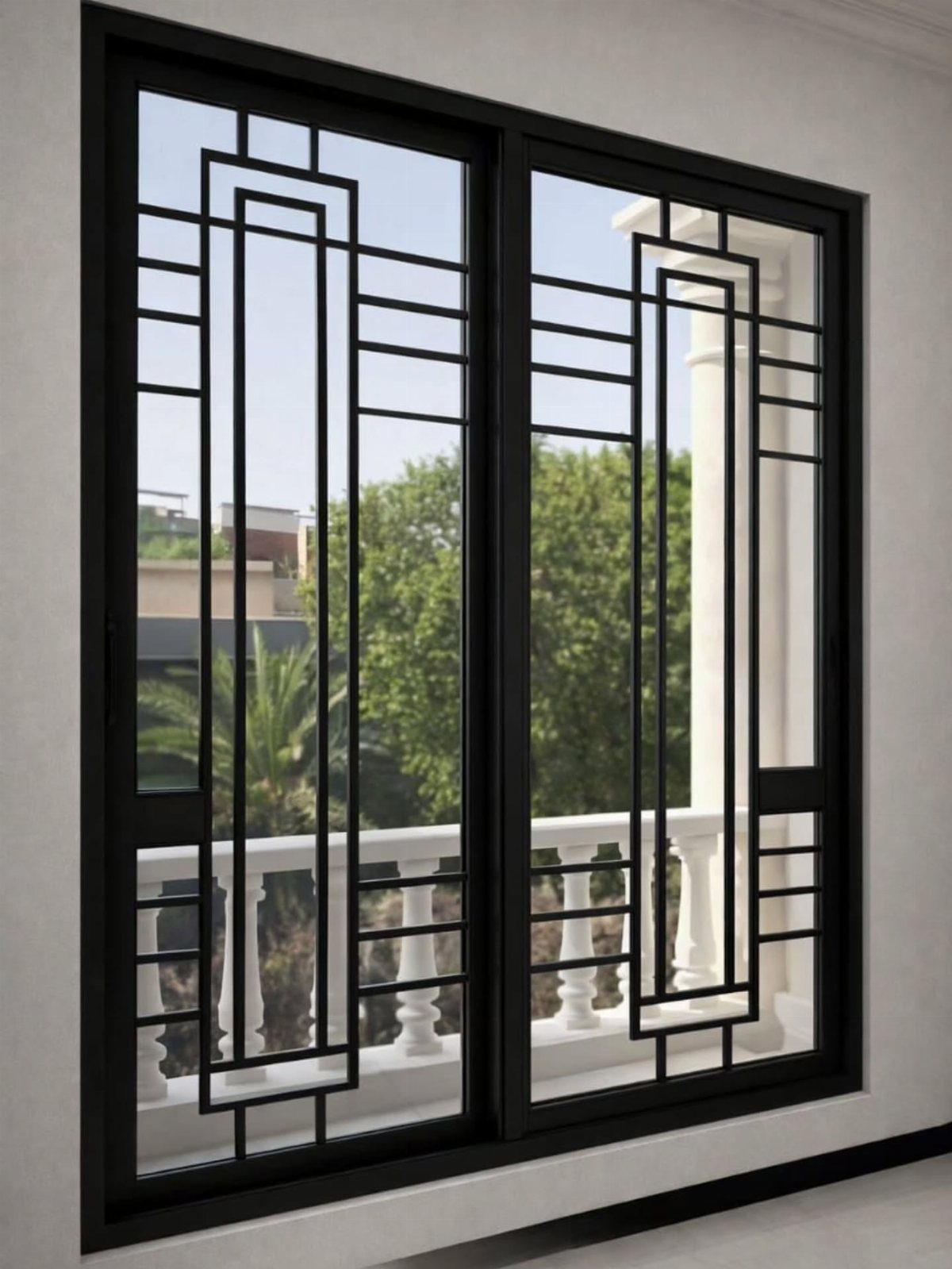
Sliding windows move along a horizontal track, which makes them the default choice where a swinging sash would hit a sofa, a bed, or a narrow walkway.
A black metal frame and geometric grille gives this pair a factory-window look that reads as intentional rather than budget-grade; in my own projects I have found that a dark frame against light walls does more for the impression than the grille pattern itself.
Ventilation takes the hit: you open half the width at most, and cleaning the outer pane from inside takes a tool or a reach.
2. Awning Windows
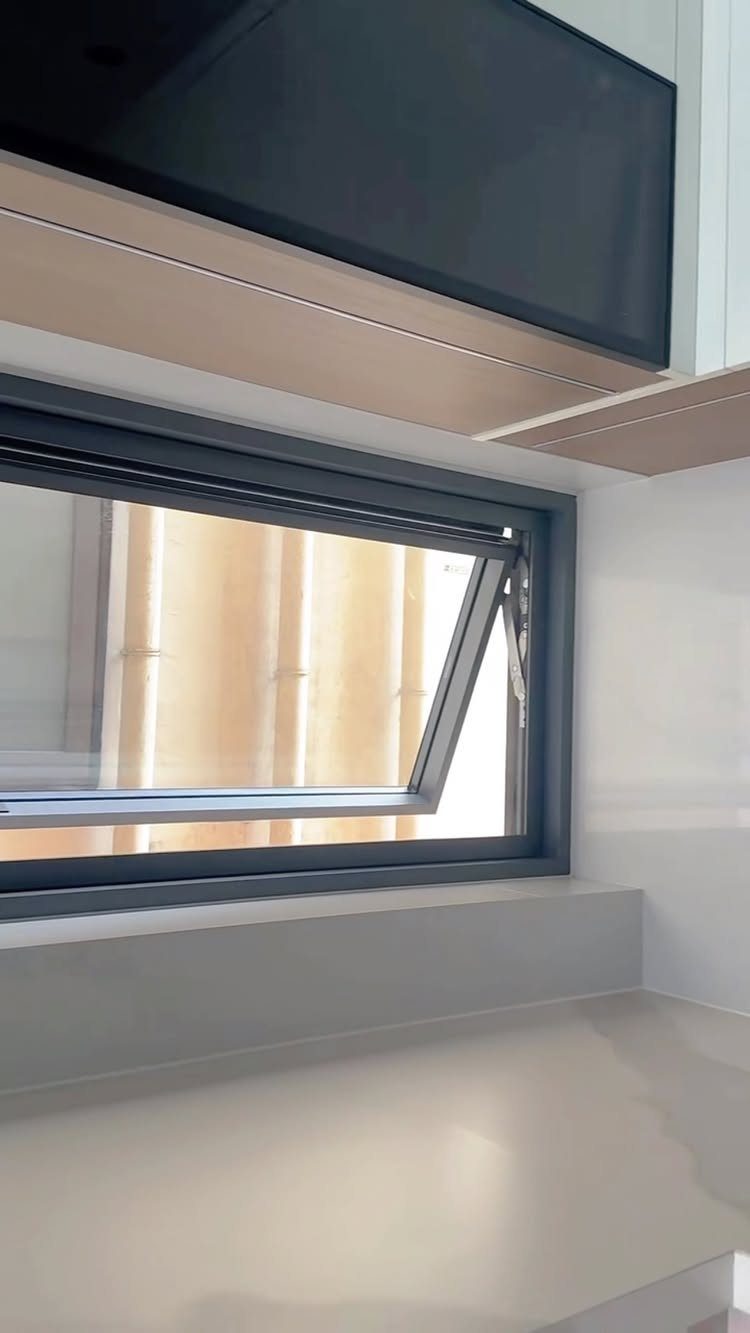
Rain hits a standard window and you close it; rain hits an awning window and it sheds the water while still letting air through.
That top hinge is what matters, placed exactly where I would put it: above a counter, where the opened sash stays out of headroom and the countertop below catches any drip that gets past the seal.
I like a dark frame against white cabinetry for the graphic line it draws, though the same shape in a lighter tone disappears into the wall if you prefer the window to read as pure light.
The limit is size: the hinge carries the weight, and a very wide awning sags over time.
3. Picture Windows
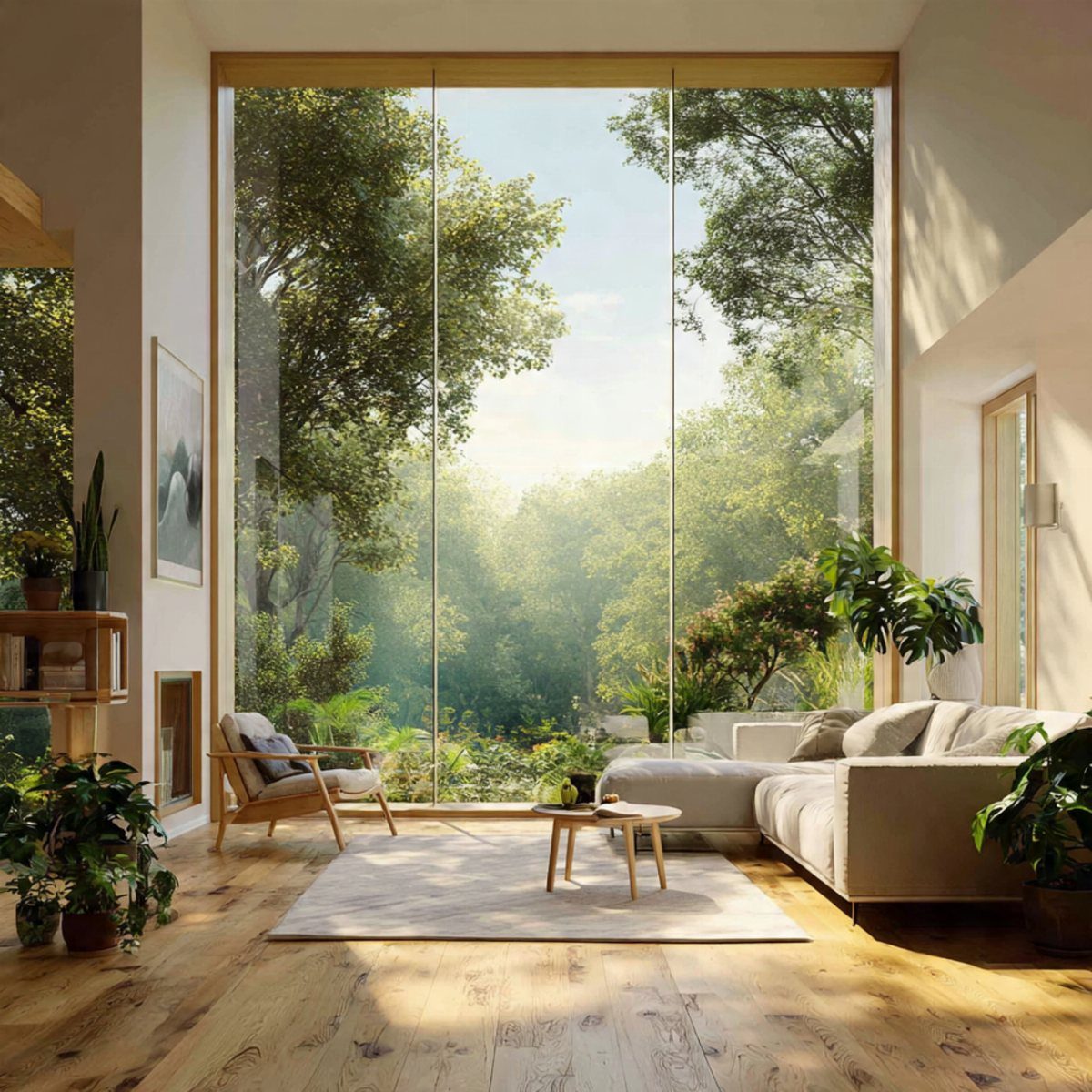
A picture window is glass fixed in place, which means no screen, no sash line, no hardware breaking the view.
The room uses that absence to frame trees like a painting, and the high ceiling lets the glass run floor-to-plaster without the proportions going squat.
The energy math is simple. No operable sash means no cross-ventilation, so pair it with a door or a high clerestory window you can open elsewhere.
4. Bay Windows
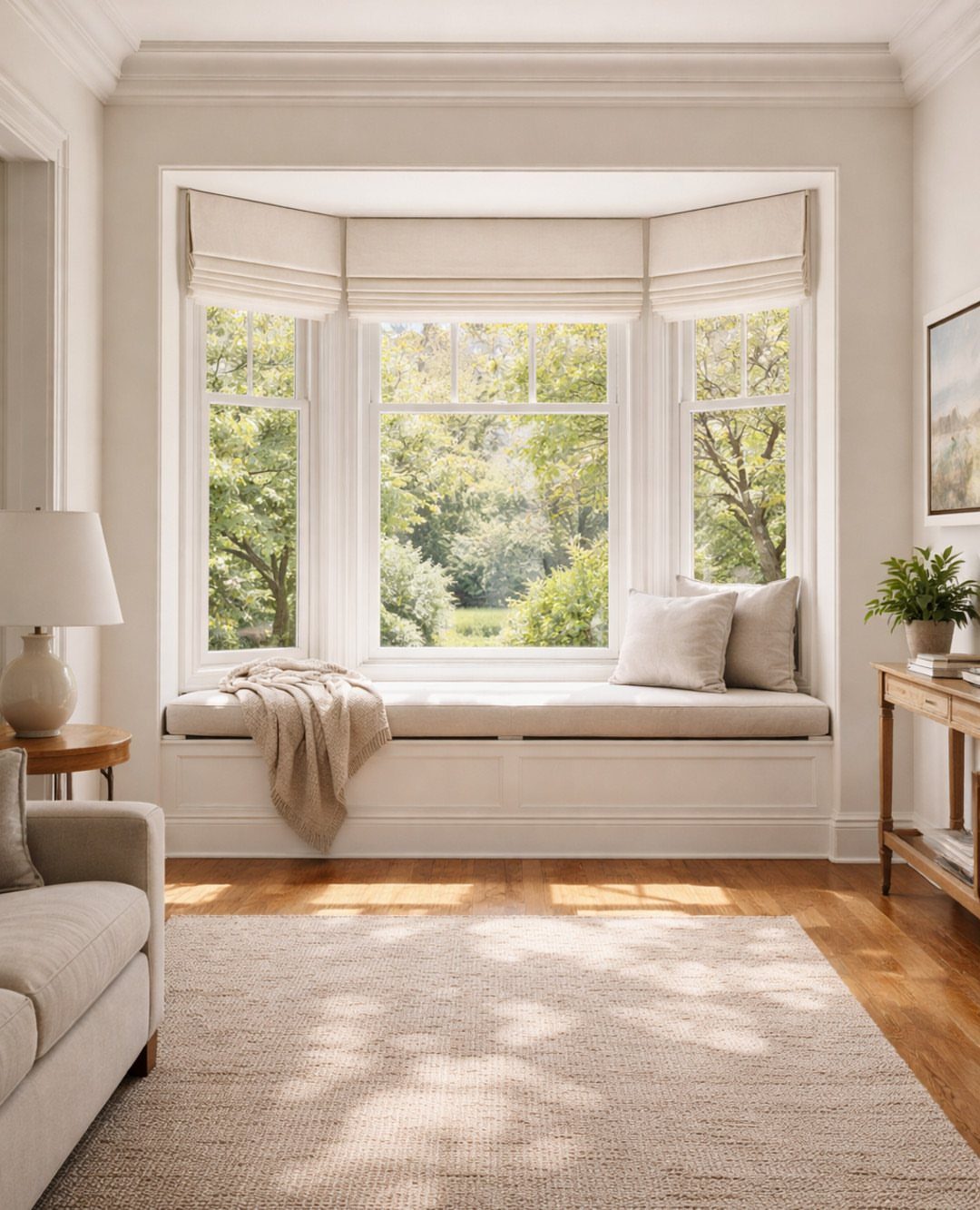
Bay windows project past the wall line, and that extra geometry buys you a seat with light on 3 sides.
The classic setup: a built-in bench, storage below, pillows sized to the depth. Hardwood runs to the window wall, and the area rug anchors the seating zone so it does not feel like an afterthought.
The structural load is the problem: you are cantilevering weight, and the header over the opening needs to carry what the wall used to.
Retrofit bays exist, but in an existing house I would verify the floor joist direction before I committed.
5. Panoramic Windows
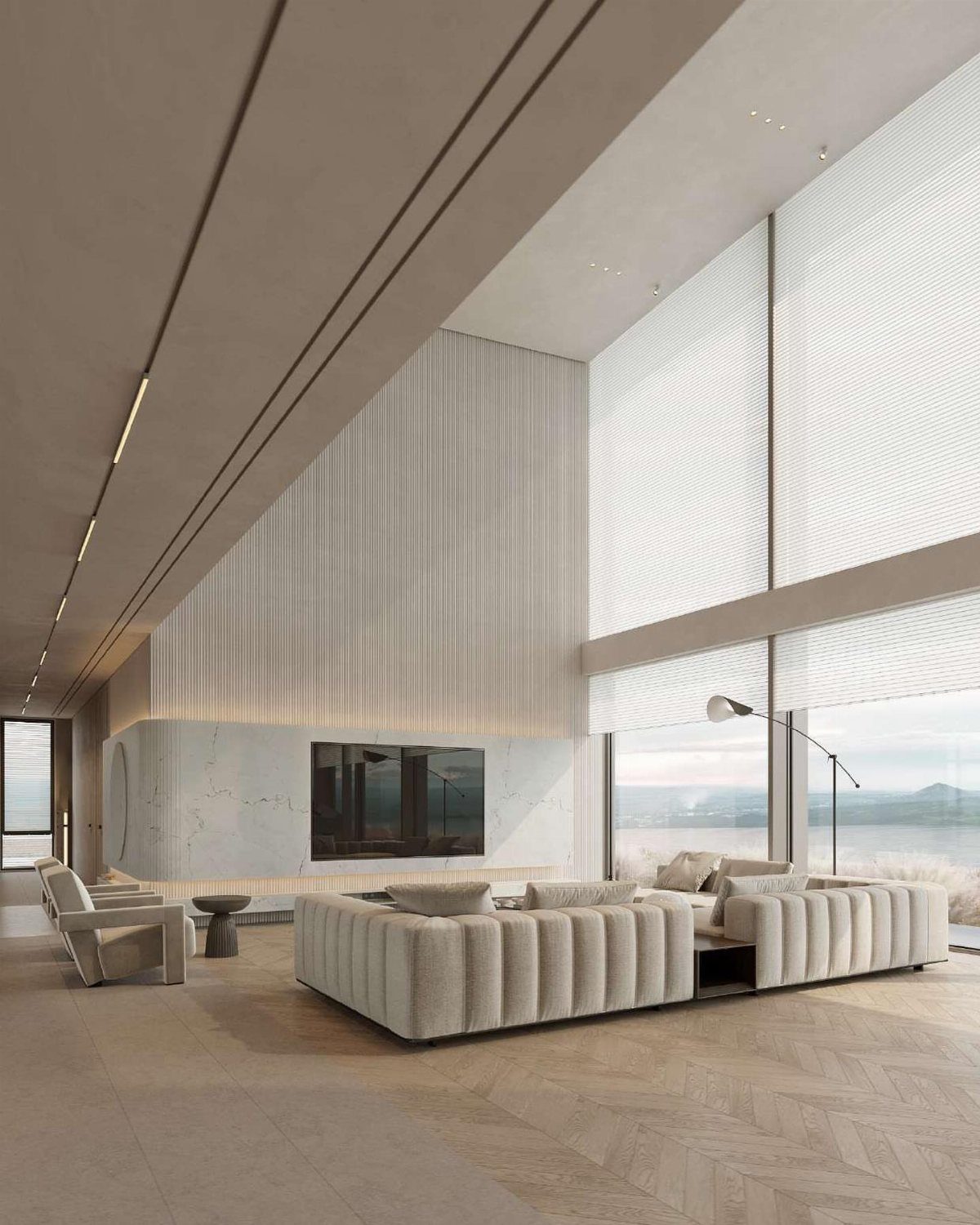
The ribbed sofa and marble wall give the eye something to rest on; without that anchoring, I find these rooms feel like glass boxes with furniture floating in them.
The cost is not the glass alone; it is the engineering to keep that much of it flat and sealed, and the crane to set the unit if you are above ground floor.
6. Double-Hung Windows
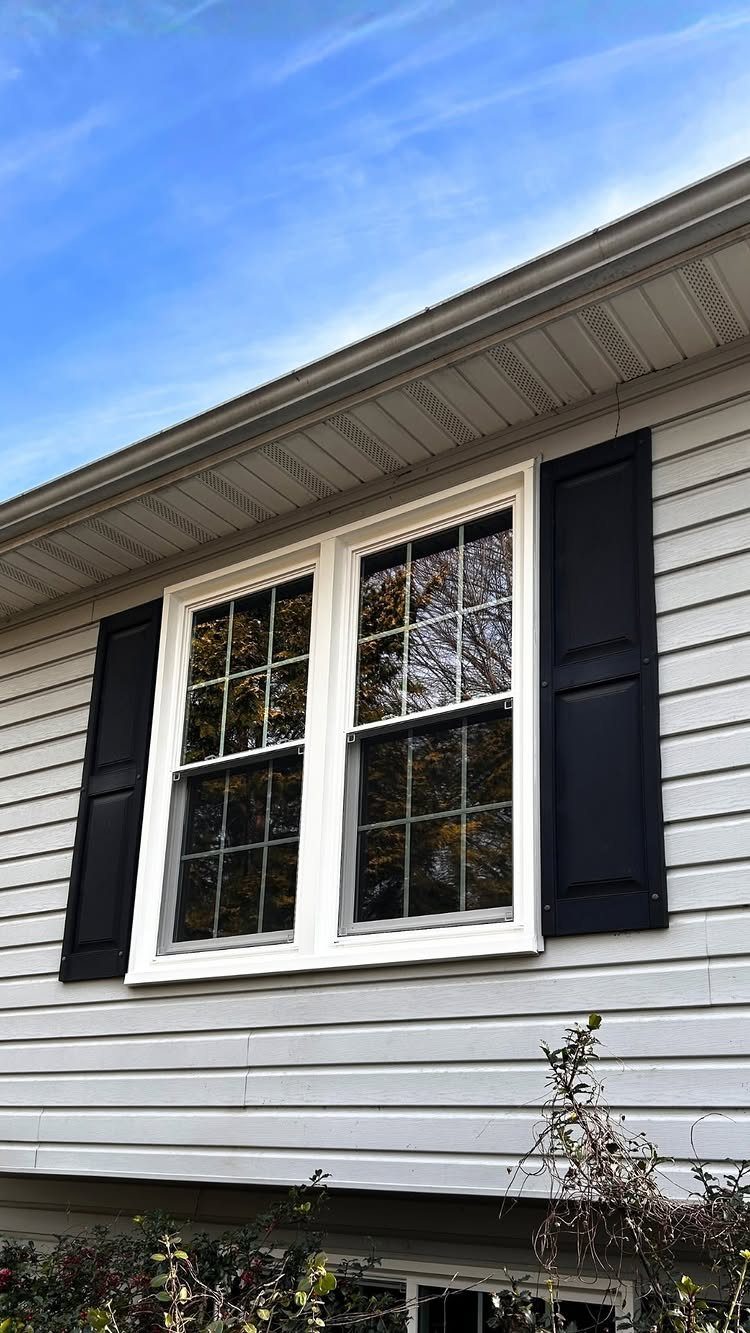
Double-hung windows slide 2 sashes past each other in a single frame, a system that has been standard in American houses for generations because it works with storm windows, screens, and the weight-and-pulley hardware that still runs in quality units.
White sashes with dark shutters, a combination that reads as traditional without being fussy; I prefer the shutter to be operable and sized to the sash, not a decorative strip nailed flat.
Modern vinyl double-hungs tilt in for cleaning, which matters on a second story.
7. Casement Windows
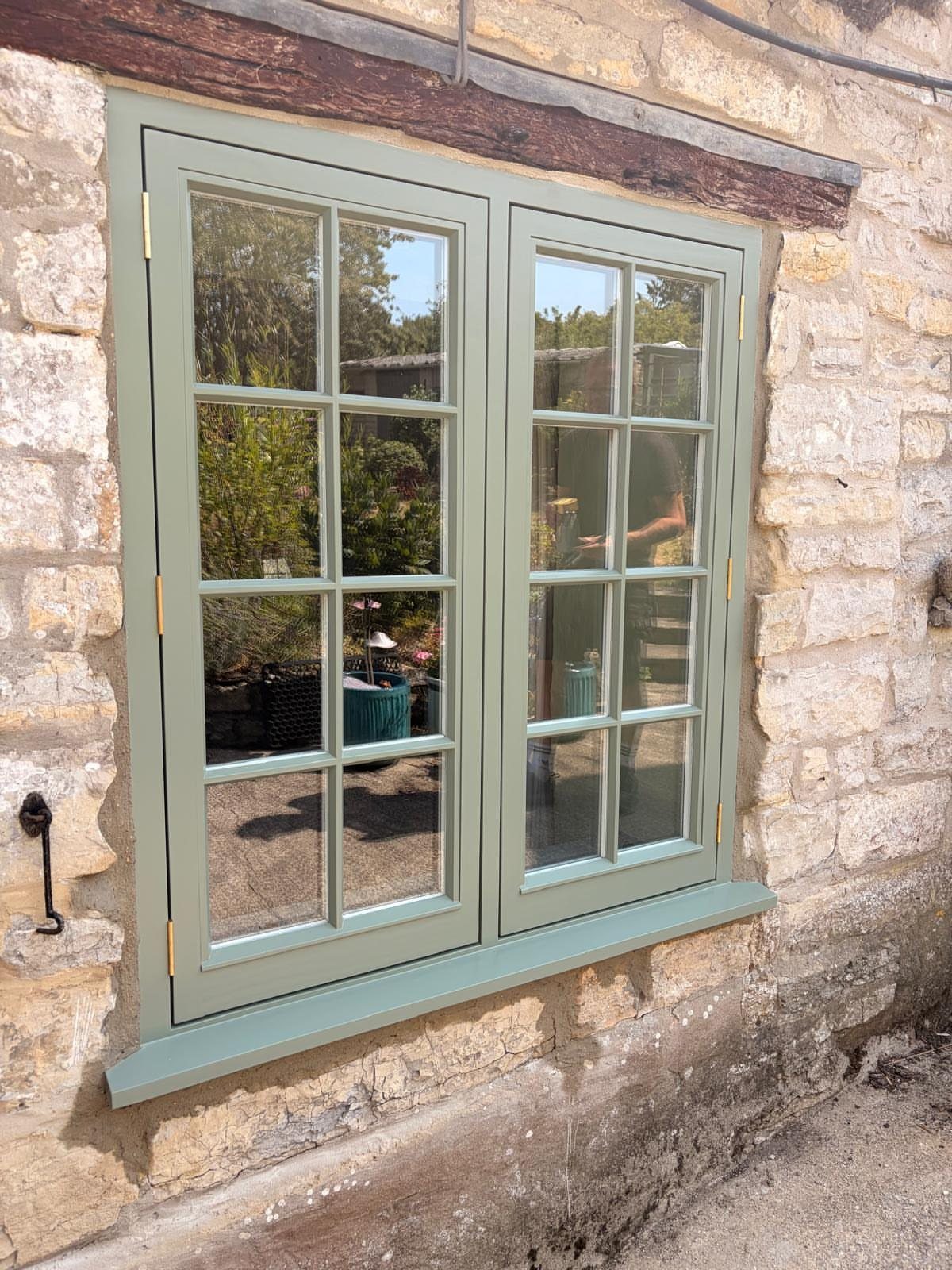
A casement window hinges at the side and swings outward on a crank or push-bar, catching a side breeze better than a sash that slides past itself.
A brass hinge left visible, painted green against stone, reads as cottage detail rather than industrial hardware.
I would use this where the window opens onto a garden or a path, since the swung sash stays out of the room and the screen mounts on the inside.
The crank mechanism wears over time, and replacement parts vary by manufacturer, so I keep the nameplate from the original hardware.
8. Black-Framed Windows
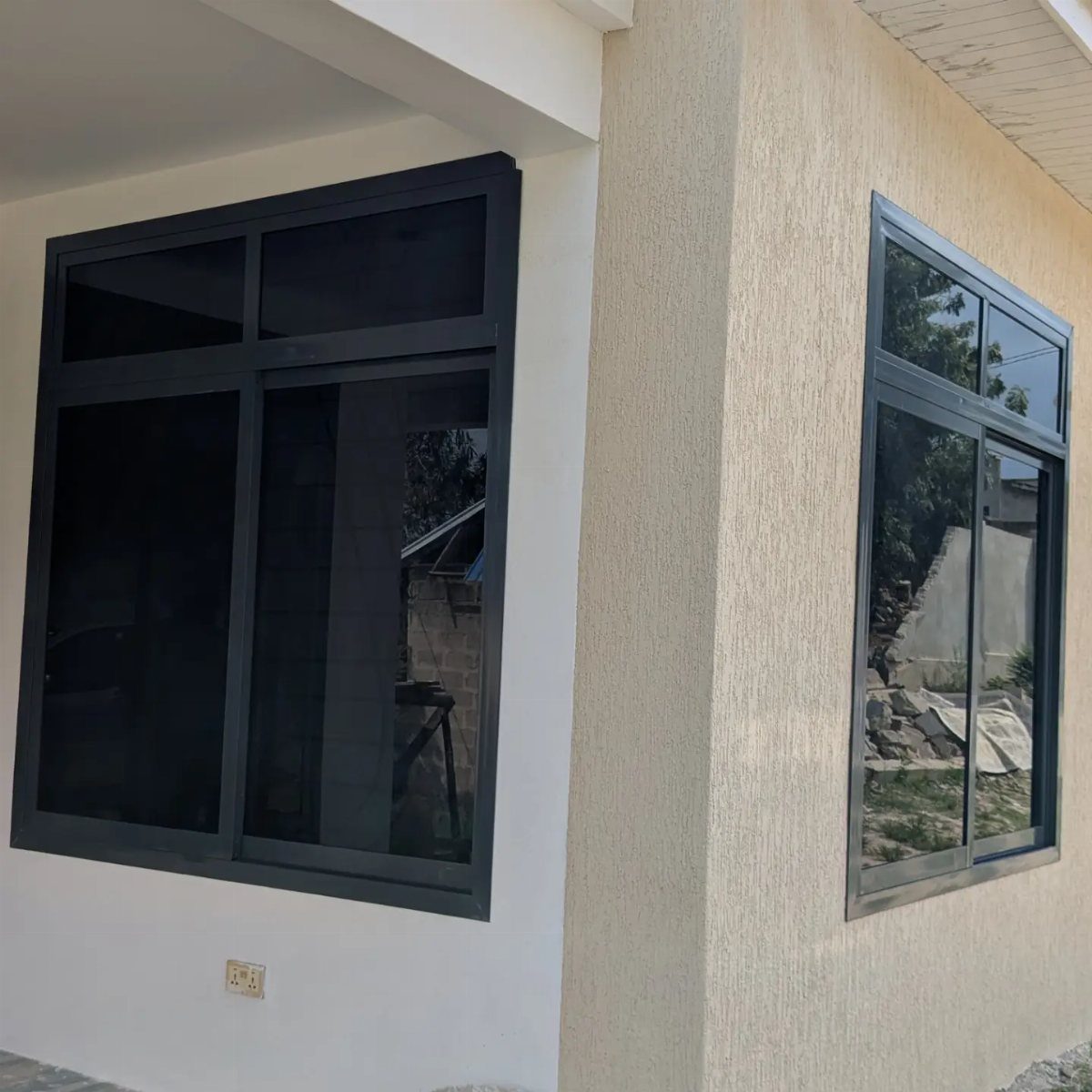
Black frames turn window glass into a deliberate graphic line against stucco or siding that reads as blank space.
The contrast works at this scale, 2 stories of thin metal grid holding its own against pale walls; in my own projects I have found that the frame profile matters more than the color, and a slim sight line carries the effect where heavier stock looks like a barn door.
Powder-coated aluminum holds the finish in sun and salt air better than painted steel.
9. Louvered Windows
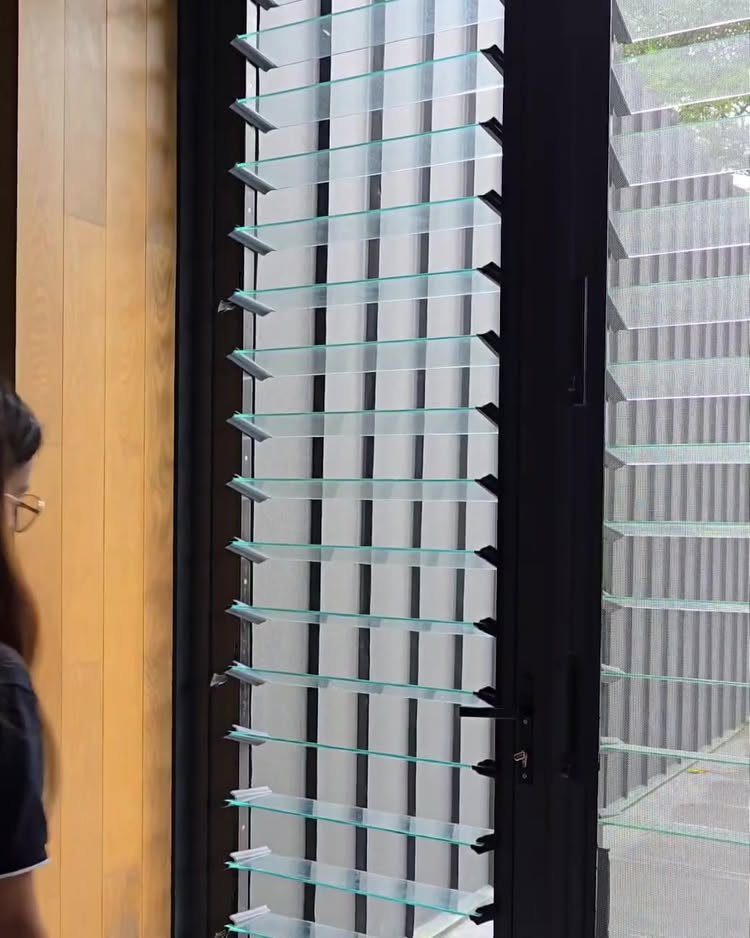
Louvered windows stack horizontal glass slats on a pivot, tilting open to let air pass while the angle blocks sightlines from outside. I like this for a bathroom or a street-facing bedroom, places where you want airflow without a curtain.
Cleaning is the chore: each slat has 2 faces and a track, and the pivot hardware needs annual tightening or the slats drift out of alignment.
Fixed glass behind the louvers, as a storm unit, solves the winter draft but doubles the cost.
Materials for Windows
Vinyl runs about a third less than aluminum for a standard double-hung, and the color is through the material so a scratch does not show bare metal.
Expansion is the real problem: a dark vinyl frame in direct sun can grow enough to bind the sash, which is why I specify light colors for south-facing walls and dark ones only where overhangs shade the glass.
Composite wood, sometimes called fiberglass-clad, gives the warmth of grain without the rot risk.
It works well where the interior trim is stained oak and the exterior needs to match painted siding; the factory finish holds up better than site-painted wood, though dings are harder to patch than on solid lumber.
Natural wood still wins for depth of finish and the ability to plane or sand decades later. It needs paint or stain regularly in my climate, more often where salt air or hard sun hit it directly.
For a rental or a first home you do not plan to keep long-term, that upkeep is a cost to weigh against the look.
Choosing Window Designs
The architectural style of your house sets the range before you choose a single window.
A mid-century ranch with low eaves reads wrong with fussy divided lights; a Craftsman bungalow loses its character if you swap the original double-hungs for fixed plate glass.
I look at the existing window pattern, the trim width, and the roof pitch, then pick designs that belong to that vocabulary.
Energy efficiency is where the money pays back. Double glazing is baseline now; low-E coatings, which are a microscopically thin metallic layer on the glass, cut heat transfer without tinting the view.
In a heating-dominated climate I specify the coating on the inner pane to reflect warmth back into the room; where cooling costs more, it goes on the outer pane to bounce solar gain outward.
The savings show up in utility bills, not in anything you see.
Natural light is the reason to accept the trade-offs.
A picture window or a large slider floods a north-facing room that would otherwise need lamps all day; I place them where the light lands on work surfaces or reading chairs, not where it creates glare on screens.
Windows plays a vital role in home design, balancing aesthetics and functionality. Thoughtful window design enhances natural light, ventilation, and energy efficiency while complementing your home’s style.
Frequently Asked Questions
What are the latest window designs?
Black-framed windows, large picture windows, and energy-efficient glazing are what I see most often in current projects.
Black metal frames against light walls read as intentional design rather than budget choice, and the slim sight line matters more than the color itself.
Low-E coatings on double-pane glass are standard issue now; they block heat without the blue cast old tinting gave.
How do I choose the right window design?
Start with your house’s architectural style, then let energy efficiency and natural light narrow the field. I read what is already there, the trim, the roofline, the existing rhythm, and choose windows that speak the same language.
Which window design gives the most natural light?
Picture windows flood a room with the most uninterrupted light because no sash lines or hardware break the glass. I set them where the light falls on a desk or a chair, not across a television or a monitor.
One big window on the north side can turn a room that needed bulbs at noon into a space you actually use.





