
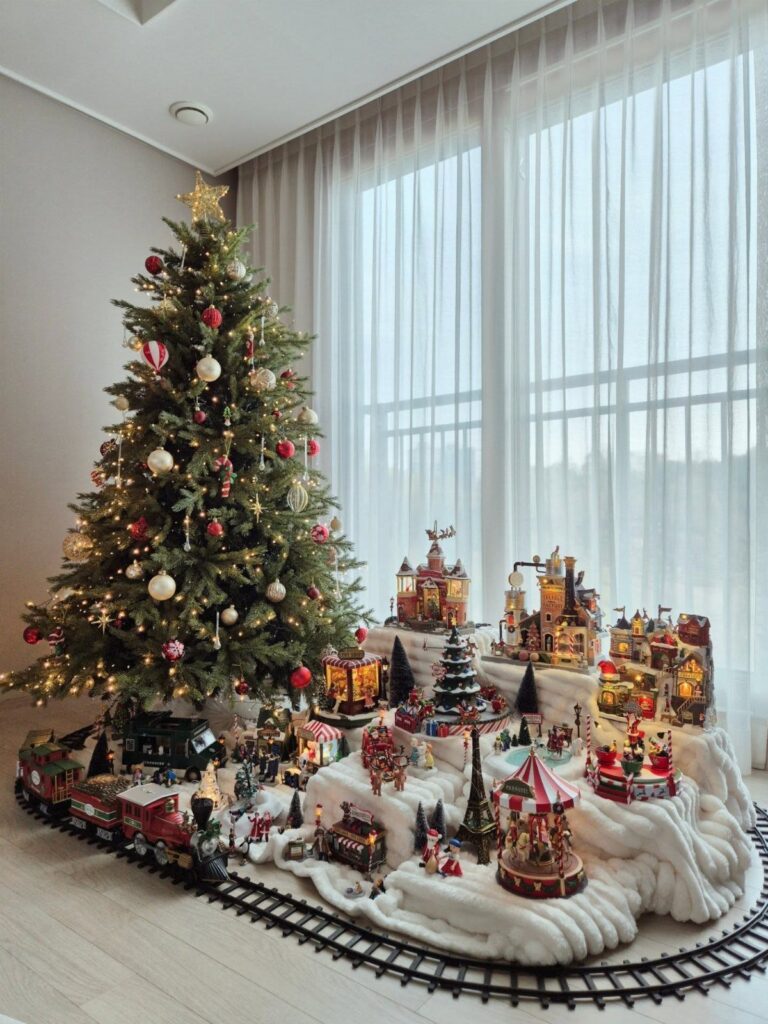
A 90s Christmas tree reads dense: warm incandescent bulbs packed tight enough to dry the needles, silver icicle tinsel throwing light back at every angle, quilted stockings and velvet bows mixed with blown-glass baubles and bright gem ornaments.
Your own situation decides which layer to start with. If the tree stands in a hallway view, the tinsel and colored bulbs do the work from a distance.
The quilted stockings on the branches and the mini village at the base give the era’s particular warmth up close, especially in a living room where people gather.
1. Warm, Colorful Tree Lights
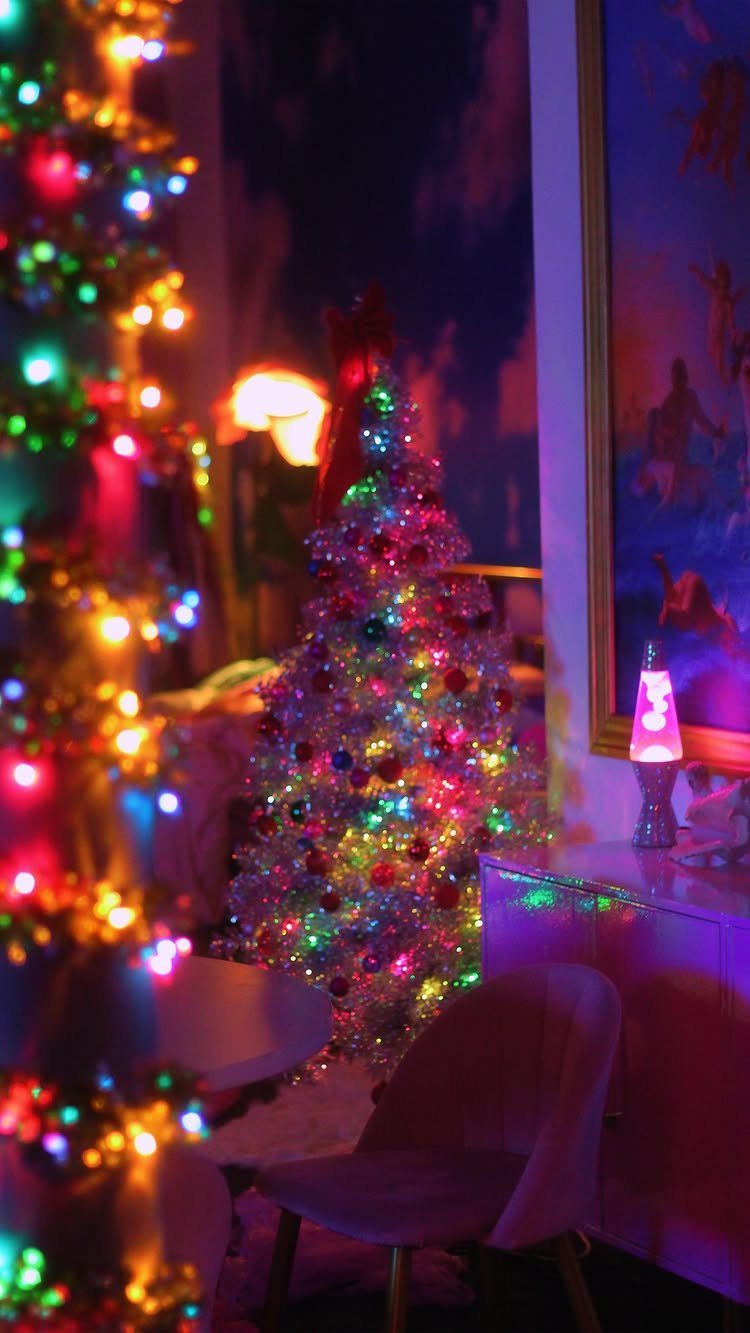
Incandescent bulbs throw a softer, warmer light than LEDs, and that orange-golden cast is what reads as 90s to most of us now.
Old-style bulbs run hot enough to dry needles faster, so I keep them on a timer and never leave them glowing unattended.
String counts were generous then and still easy to find in the same dense spacing. For the full effect, skip the blinker box and let them burn steady.
2. Quilted Stockings
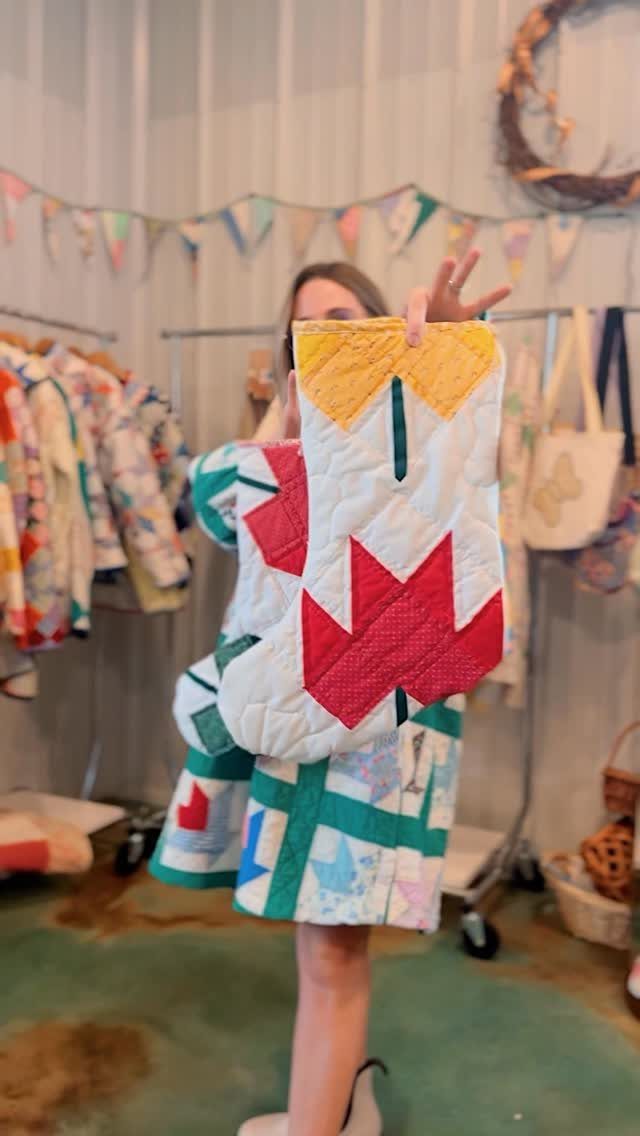
A quilted stocking looks sewn by someone who had time, which is exactly the illusion.
Fabric stores sell pre-quilted yardage now, so you can fake the hand-stitched look without the time sink. Cut 2 rectangles, bind the top with a contrasting band, and line with flannel for the weight to hang right.
3. Mini Village
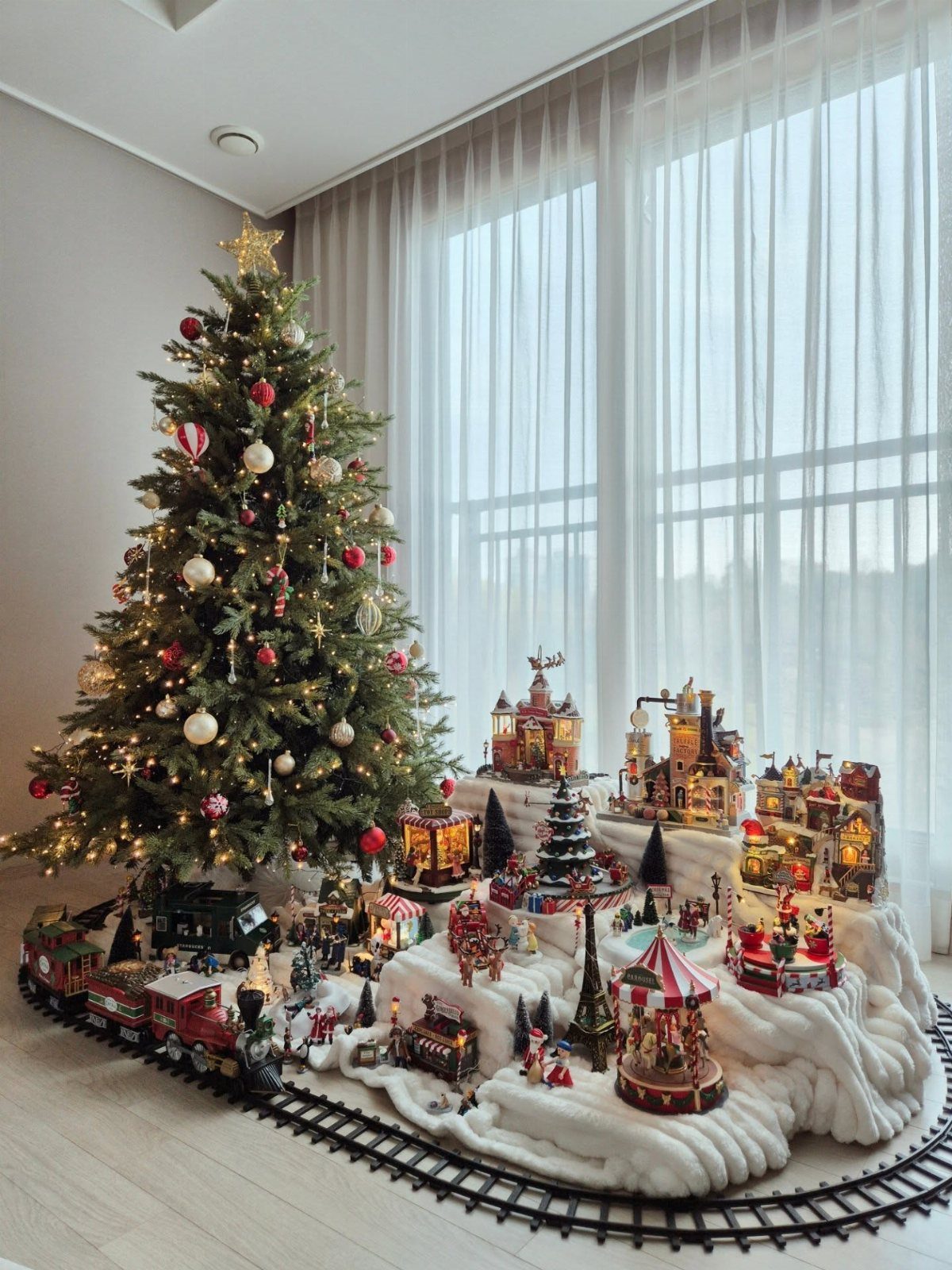
Ceramic village pieces from the 90s turn up at thrift stores for pocket change, still in their original boxes more often than you would expect.
I set mine on a white cotton batting layer to read as snow, with a loop of O-gauge train track running the perimeter.
Keep the scene below eye level when seated, not up on a high shelf where the detail disappears.
4. Bright Gem Ornaments
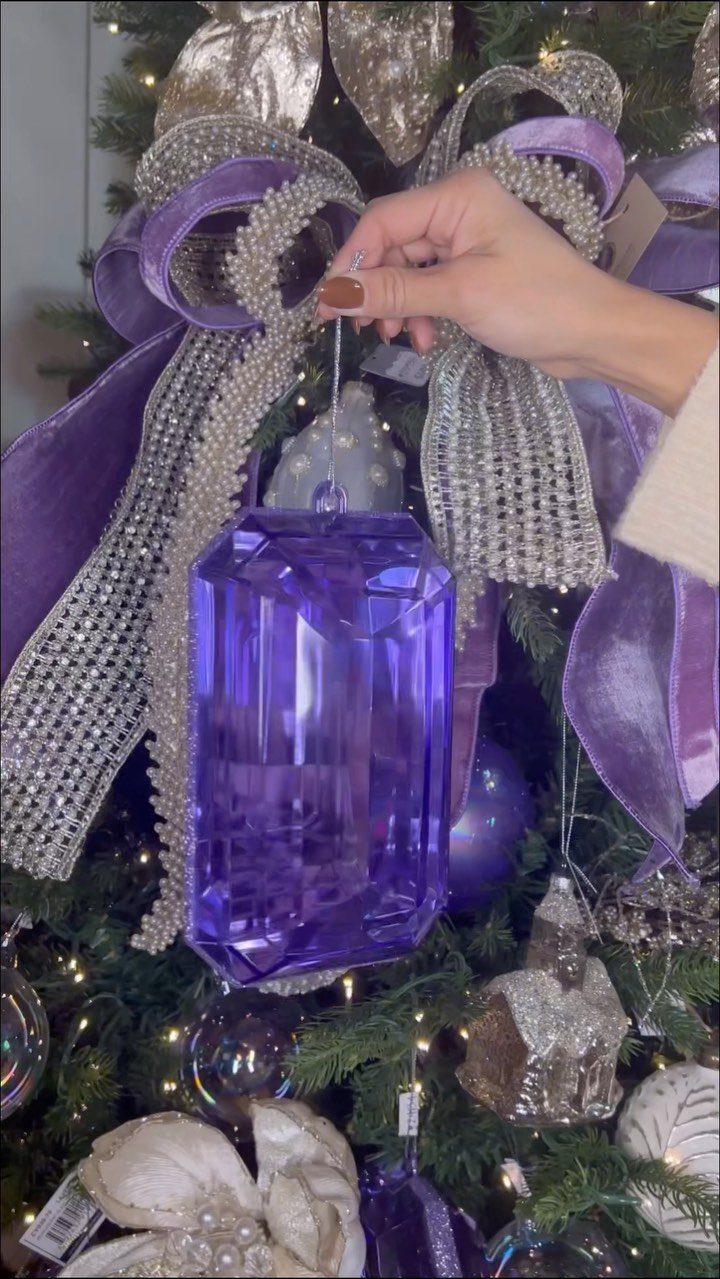
These oversized faceted ornaments catch light like the acrylic gems they are, lightweight enough for thin branches.
Hang them deep, not just on the outer tips, so they glow from inside the tree. A 4-inch gem still needs a branch with some thickness to it; test before you commit the hook.
5. Velvet Bows
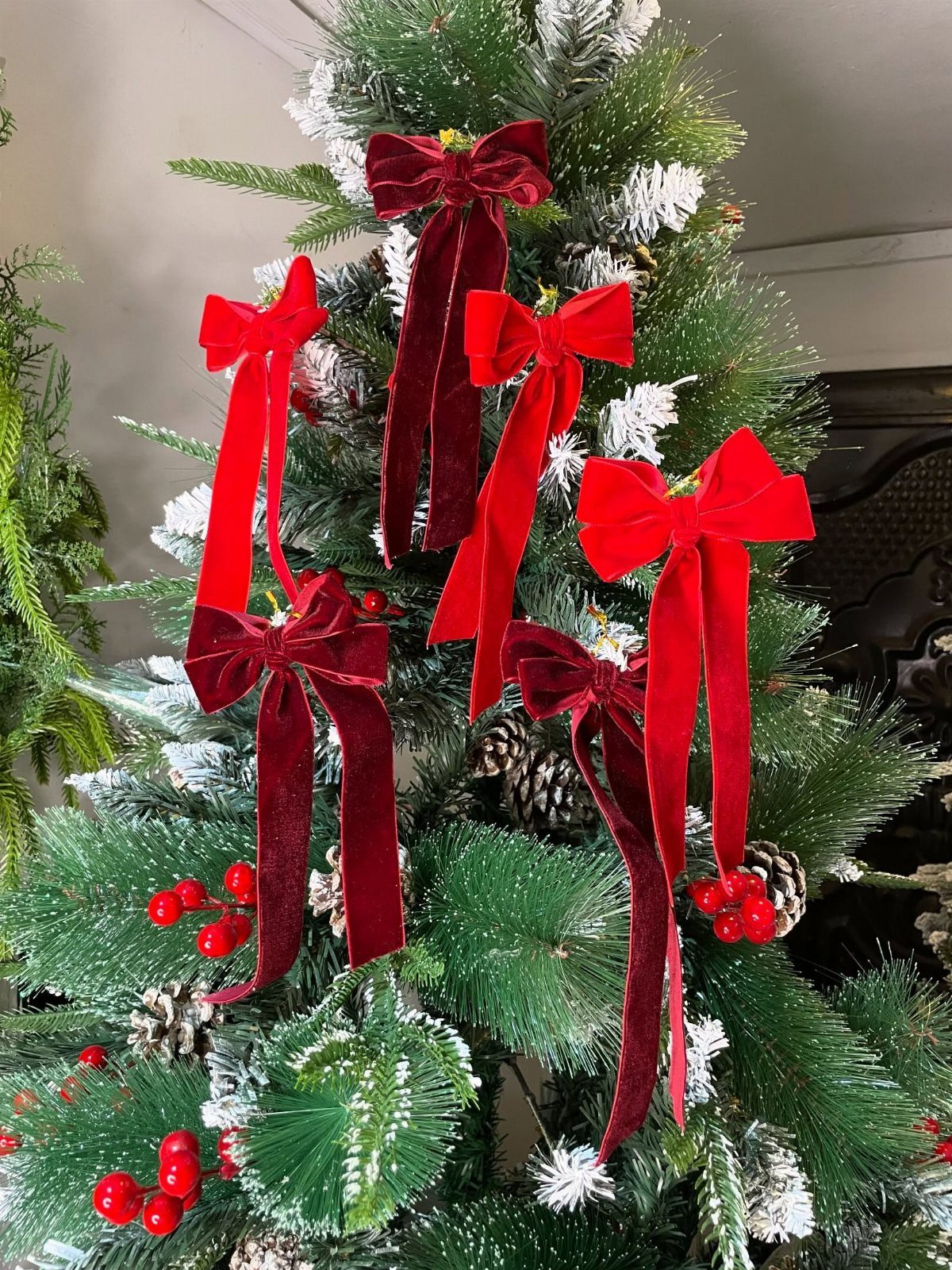
Wide velvet ribbon, cut into long lengths and tied with trailing tails, gives the tree the dressed-up look that was everywhere in department store displays back then.
Wired edges help the bows hold their shape but are not required; the drape matters more. I buy a full spool for a standard tree and still have enough for mistakes.
6. Vintage Glass Tree Baubles
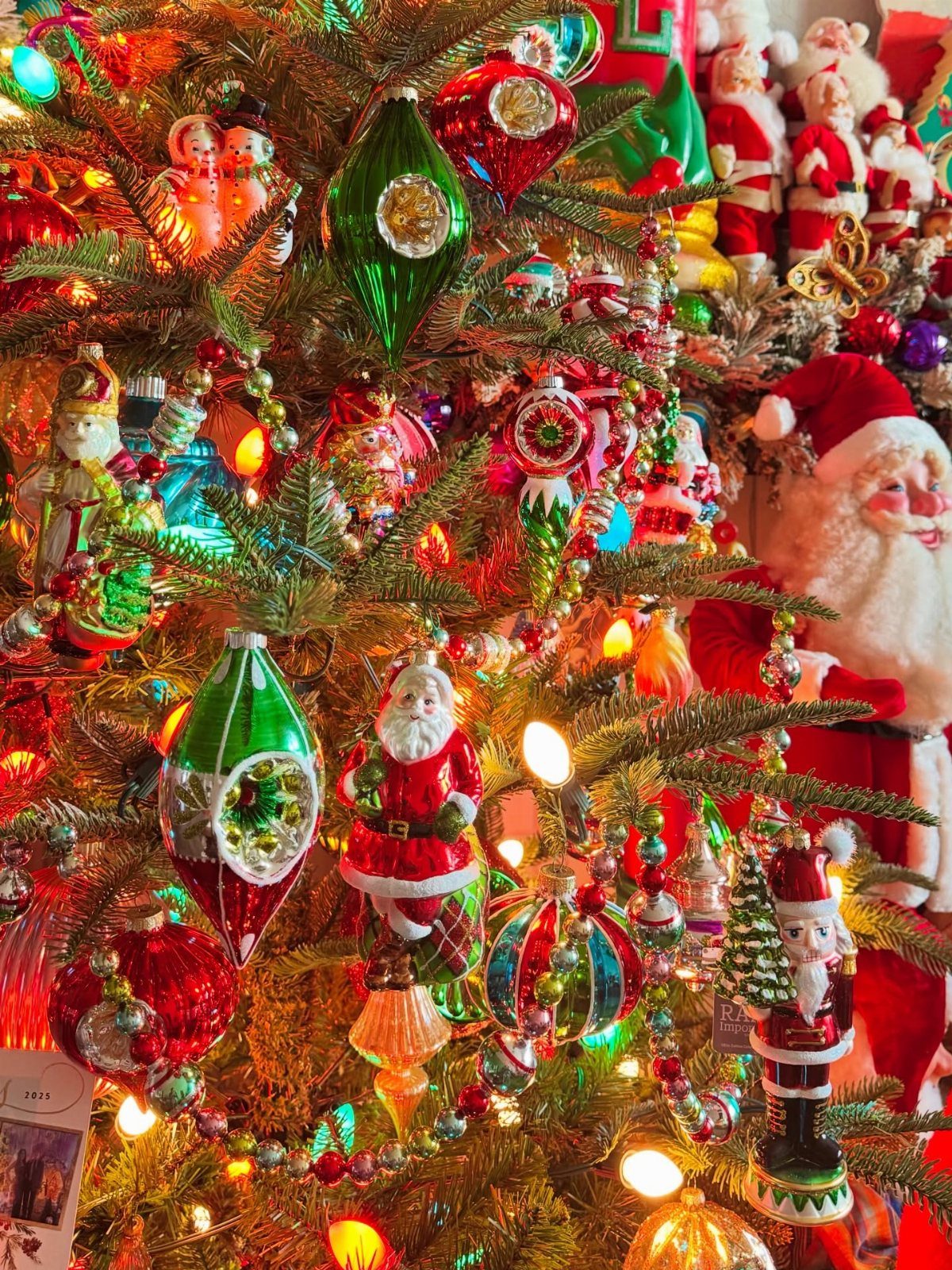
Teardrop indent baubles, the ones with the conical dimple on each side, were mass-produced in West Germany and Poland through the 80s and 90s and flood estate sales now.
Look for the thin glass and hand-painted details; reproductions are thicker and the paint sits on top rather than sinking in.
I hang mine with green wire hooks to disappear, and I replace any that show chips, since cracked glass can split further under its own weight.
7. Silver Icicle Tinsel Strands
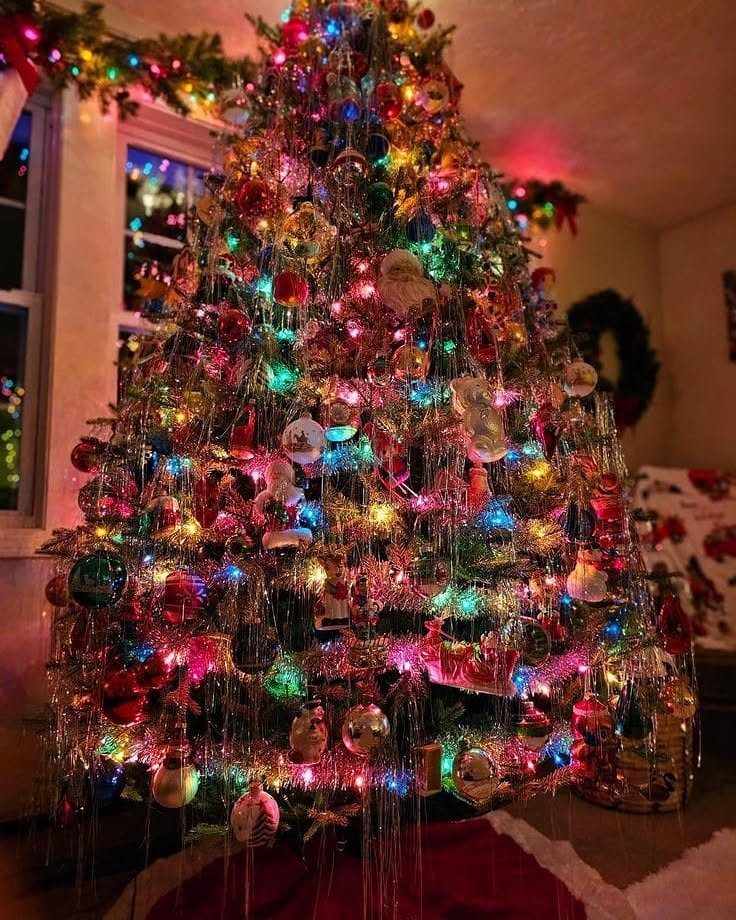
Thin strands of silver icicle tinsel catch the colored bulbs and throw light back in every direction, which is why the 90s tree looked alive even from the hallway.
I hang it last, draping from the inside branches outward so the tips fall past the lowest ornaments. A 2,000-strand box covers a typical apartment tree with enough density to read as deliberate, not sparse.
Cleanup is the price: it tangles in the carpet and clings to static, so I lay a sheet around the base before I start and gather it by hand rather than vacuuming.
8. Gold Bead Garland
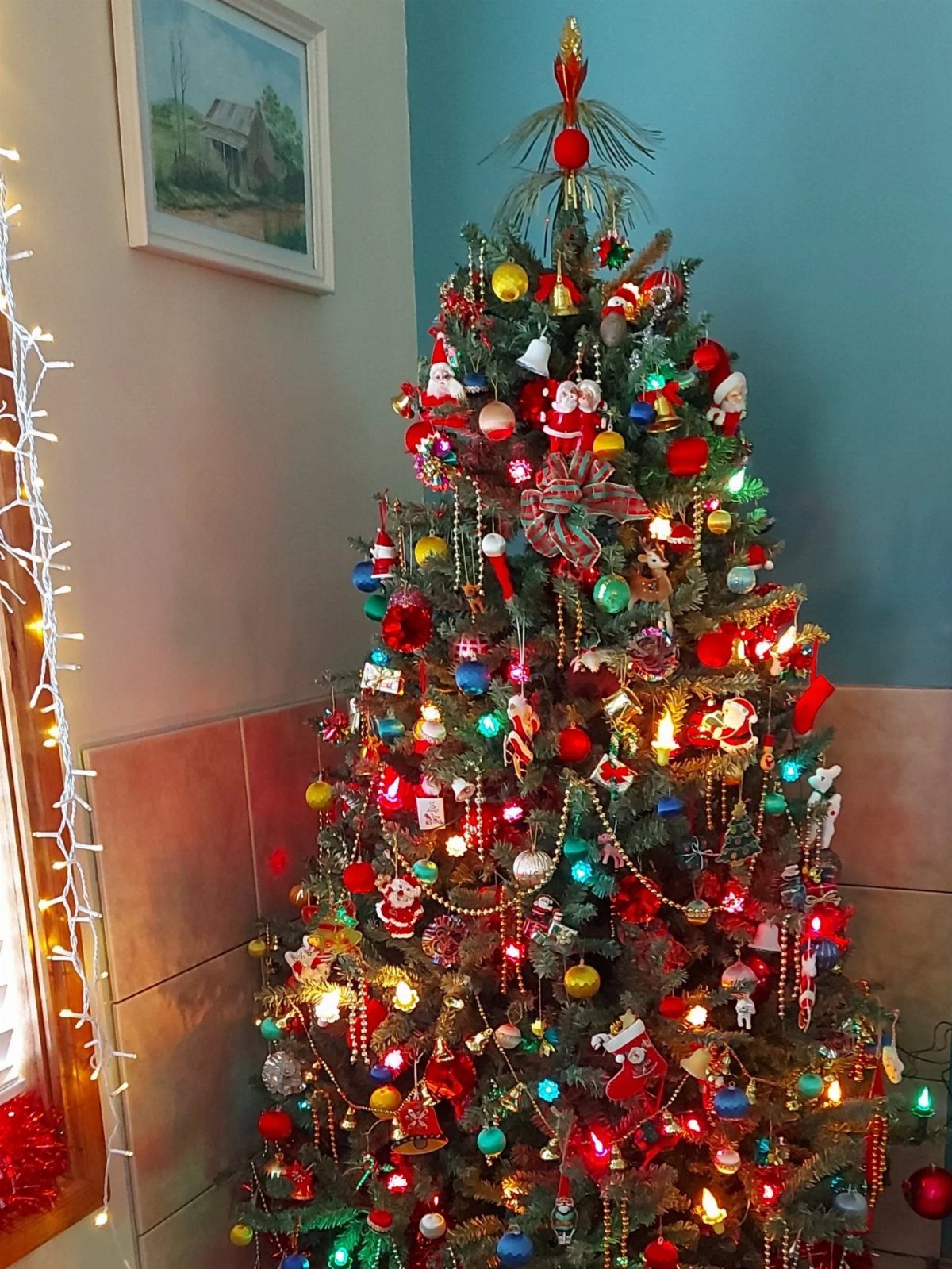
Gold bead garland gives the tree the structured, finished look that ribbon alone cannot manage, and the 90s version ran heavier than the plastic craft-store strands sold now.
Look for glass or thick acrylic beads with real weight; they hang straight and catch light like small lanterns. I drape in loose loops rather than tight swags, starting deep and bringing each loop slightly lower toward the bottom.
One 9-foot strand per foot of tree height is my rule of thumb. Skip it if your ornaments are already busy; the beads compete for eye space and the tree reads cluttered instead of layered.
Thrifting for 90s Decor
Thrift stores carry more genuine 90s Christmas stock than most people expect, and the prices land where a weekend project budget lives.
Ceramic village pieces still show up in original boxes, and the ornaments that hung on actual 90s trees, the mismatched kind, outnumber the coordinated sets by a wide margin.
The look you want is the mishmash, not the matching suite. Candles, baskets, greenery, and baubles from the same era sit on the same shelf because nobody sorted them by theme.
That chaos reads as authentic because it is; the 90s tree was built from what came home, not what got ordered as a collection.
Watch for blown-glass pieces from makers like Christopher Radko alongside the school-craft felt and salt dough. The mix of high and hand-made was the point.
DIY Christmas Decorations
The ornaments that hung on 90s trees carried the slight wonkiness of being made by small hands with glitter and glue sticks.
Salt dough, felt cutouts, and garlands of dried oranges came home from school or church as gifts for parents, and they went straight on the tree alongside the store-bought pieces.
That spirit is worth bringing back, and the materials cost almost nothing. Salt dough takes flour, salt, and water; roll it, cut it, bake it low and slow, then paint with whatever acrylics are on hand.
Felt sheets and a needleful of embroidery floss make shapes that soften at the edges in exactly the right way.
Paper chains still work too.
Strips of construction paper, a glue stick, and a half hour build a garland with the slight irregularity that machine-cut product never matches. Hang them where the lights hit, they read as texture, not craft project.
I go for the collected look, not the designed one. A tree that grew piece by piece over years, not planned in a single season.
Nostalgic Christmas Vibes
The 90s Christmas palette ran heavy on forest greens and deep reds, with colored lights mixed among white ones rather than separated into different rooms. That combination, warm bulbs against dark evergreen, is what reads as the era now.
Embroidery and needlepoint showed up on stockings, tree skirts, and the small framed pieces that hung in clusters. The work was often imperfect, the stitches uneven, and that handmade quality was part of the warmth.
Whimsy carried more weight than polish; animatronic decorations and light sets that played music were common enough to feel ordinary then and nostalgic now.
Technology grew fast enough in those years to creep into decor in ways that now feel dated in the right way.
The talking pieces and musical strings are the ones that surface in memory, not the elegant silence of a candlelit scene.
I build the mood from the lighting first: warm, dense, slightly chaotic. Everything else layers on top of that glow.
The magic of the 90s Christmas is that much of the decor was passed down or handmade—think popcorn garlands and stockings your grandmother made for you. The decorations were sentimental, not store-bought.
Frequently Asked Questions
How to do a 90s Christmas tree?
Start with warm incandescent bulbs in dense strings, burning steady rather than blinking. Layer on the mismatched ornaments, handmade pieces, and bright gem baubles hung deep into the branches rather than just at the tips.
Silver icicle tinsel draped from the inside out catches that colored light and throws it everywhere, which is what made the 90s tree look alive even from the hallway.
Where can I buy 90s Christmas decor?
Thrift stores carry more genuine 90s Christmas stock than most people expect, with ceramic village pieces still showing up in original boxes and mismatched ornaments outnumbering coordinated sets by a wide margin.
For new reproductions, big-box stores have caught on to the trend and stock 90s-inspired lines, though I still prefer the real thing at thrift prices.





