

The five things that spark holiday joy only work when you stop chasing the childhood feeling directly.
The sleeplessness of Christmas Eve at twenty-five comes from memory, not the tree, and adults who decorate earlier each year are usually hunting a form they have already lost.
For me, it was grey-and-pink roller skates in 1988: wanting and receiving were the same act then, and nothing under an adult tree repeats that.
What Makes Christmas Feel Different
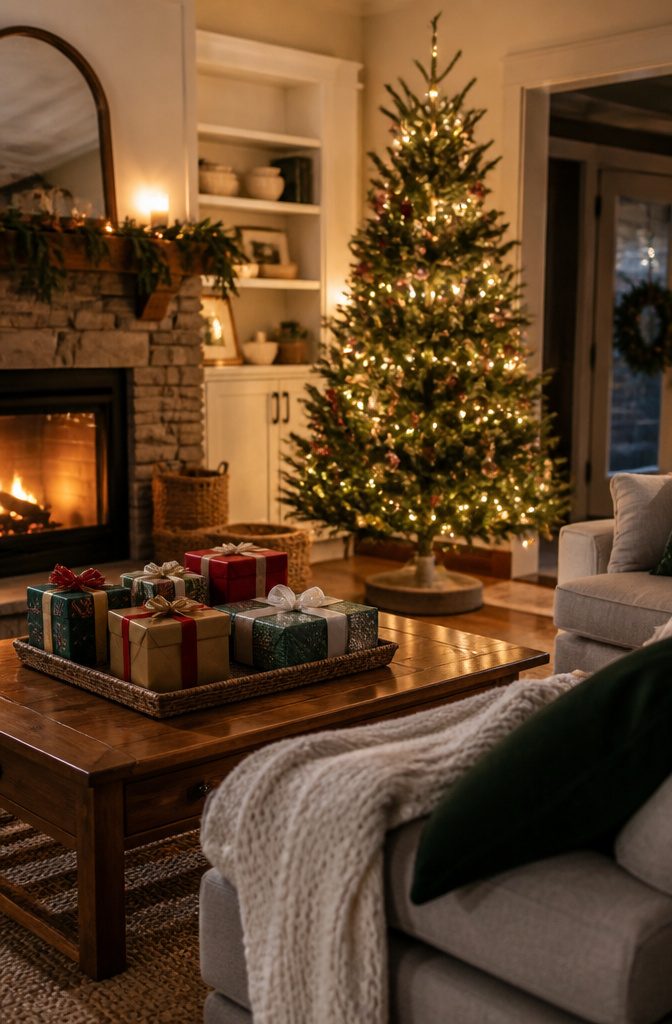
The excitement of Christmas doesn’t come from one single source. It builds from layers that stack on each other, and when enough of them line up, the feeling arrives almost before you’ve noticed it.
For most of us, that excitement starts with memory. The holiday carries the weight of every December we’ve already lived, so the scent of pine or the sound of a particular song triggers something deeper than the moment itself.
Then the present tense kicks in: the actual work of decorating, planning, baking, and gathering gives the season its forward motion. The anticipation is half the joy, and it’s anticipation you can shape with your own hands.
The five elements that follow are the ones I see driving that feeling year after year. Some you already control; others take a deliberate choice to protect.
Each one matters more when the rest are also in place, which is why a single missing piece can flatten the whole season, and why getting even two or three right can carry you through.
1. Childhood Anticipation
The feeling that makes someone so excited for Christmas they are physically sick at twenty-five does not come from the tree or the gifts.
It comes from the body remembering what the mind never forgot: the one time in childhood when wanting something and receiving it were the same act.
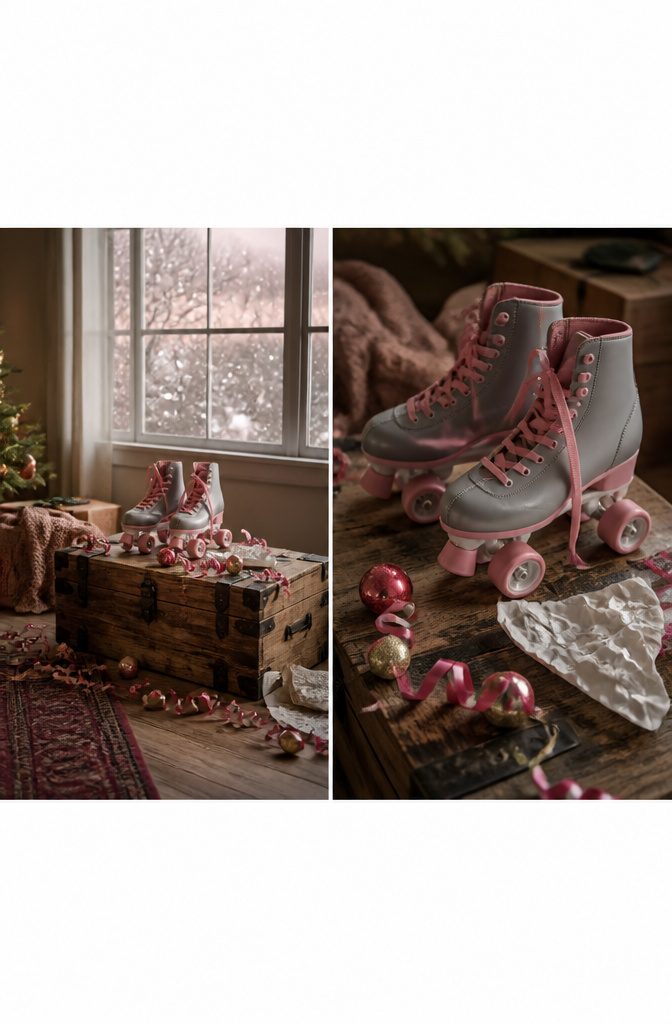
For me, that was a pair of grey-and-pink roller skates, Christmas 1988. I had written them down, and they arrived.
That is the entire magic. As an adult, the same mechanism fails; Father Christmas does not pay off credit cards, and a handwritten list to no one brings no peace.
The wish fulfillment of childhood Christmas is unrepeatable, which is why adults chase the form instead of the content, decorating earlier each year, sleeping worse on Christmas Eve.
The excitement builds around mid-October because that is when the light changes and the body remembers.
The sleeplessness is not about what is under the tree now. It is about what it once felt like to believe that wanting and receiving were connected, and that a pair of roller skates could make a life complete.
2. Festive Decorations and Ambiance

The excitement starts building around mid-October for a lot of people, and decorations are usually what flips that switch.
I notice it in my own place: the moment the fairy lights go up, the room reads as Christmas instead of just winter.
Baubles on the tree, carols in the background, the smell of pine if you use a real tree. Each layer adds something the others cannot carry alone.
Light matters most for renters who cannot repaint.
A string of warm white LEDs costs little, stores flat, and turns a beige wall into something that photographs well for the holiday. I skip the color-changing sets; they look dated by New Year’s and the remotes always break.
Music does more than fill silence.
It cues memory, which is half of what "so excited for christmas" actually means. The same playlist from childhood still works because the brain links the sound to anticipation, not to any particular year.
The risk is overexposure. Leave the tree lit all evening every evening and by December 20th you stop seeing it.
I run lights on a timer: 5 to 10 p.m. only. The limit keeps the magic intact.
3. Family Gatherings and Shared Meals
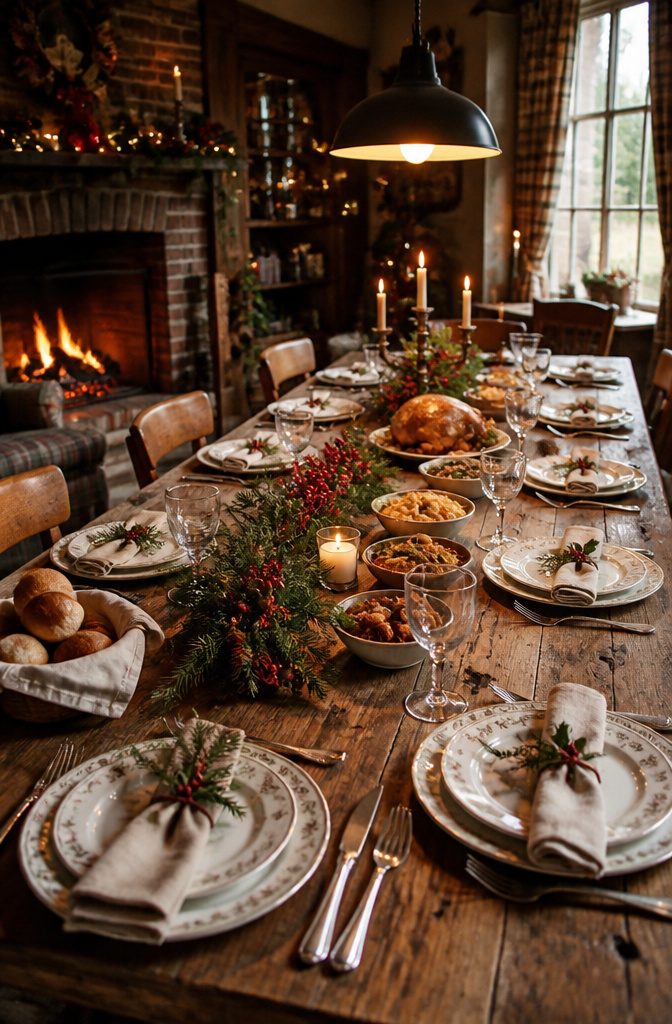
The smell of pine and the sound of carols matter, but the gathering itself is what people remember.
Sources agree on this: the table with loved ones sharing stories and food, the yearly dishes that only appear in December, the rituals that mark the season as different from ordinary Saturdays.
I think the childlike anticipation we lose as adults shifts here rather than disappears.
The gifts become less urgent, but the work of bringing people together, of setting a table and slowing down, carries its own kind of wonder. One writer puts it plainly: seeing joy on another’s face becomes the new excitement.
You give up time and gain something else.
Hosting takes effort and some amount of money, even on a tight budget. The alternative, a quiet night with cocoa and a book, has its own appeal, and some years that is the right choice.
But the shared meal wins for marking the season. It is the thing children remember and adults later miss when distance or time intervenes.
If the budget is tight, the food itself matters less than the gathering.
A soup kitchen shift with family, serving others and hearing their stories, costs little and does the same work of connection. The season asks for presence more than perfection.
4. Spiritual Meaning and Wonder

The excitement that survives past childhood tends to be the kind that consumerism cannot sell back to you.
The birth of Jesus is the one part of Christmas that does not flatten with repetition, and returning to it is how I rebuild wonder when the season starts feeling like a checklist of purchases and parties.
The gospels give four separate tellings of the Nativity, and each carries a different angle: Matthew traces the legal line through Joseph, Luke follows Mary’s experience, John opens with the Word made flesh, and Mark skips the birth entirely to start with the adult ministry.
Reading them side by side, rather than collapsing them into one familiar scene, is what restores the strangeness of the claim.
A teenage mother, an occupied country, a birth announcement to shepherds working night shifts: the details are specific enough to resist sentimental gloss.
Ravi Zacharias called wonder something retained by wise pondering, not by louder music or brighter lights. I take that to mean the work is slow and unglamorous.
Pondering takes a quiet room and a text you do not already have memorized. What you get back arrives slowly, which is exactly why it outlasts the dopamine of unwrapping gifts.
You give up time and gain something else. This kind of preparation does not photograph well for a Pinterest board, and it will not feel like the Christmas movies promised.
What it offers instead is a joy that does not depend on whether the budget stretched far enough or whether the relatives got along.
5. Holiday Traditions and Activities
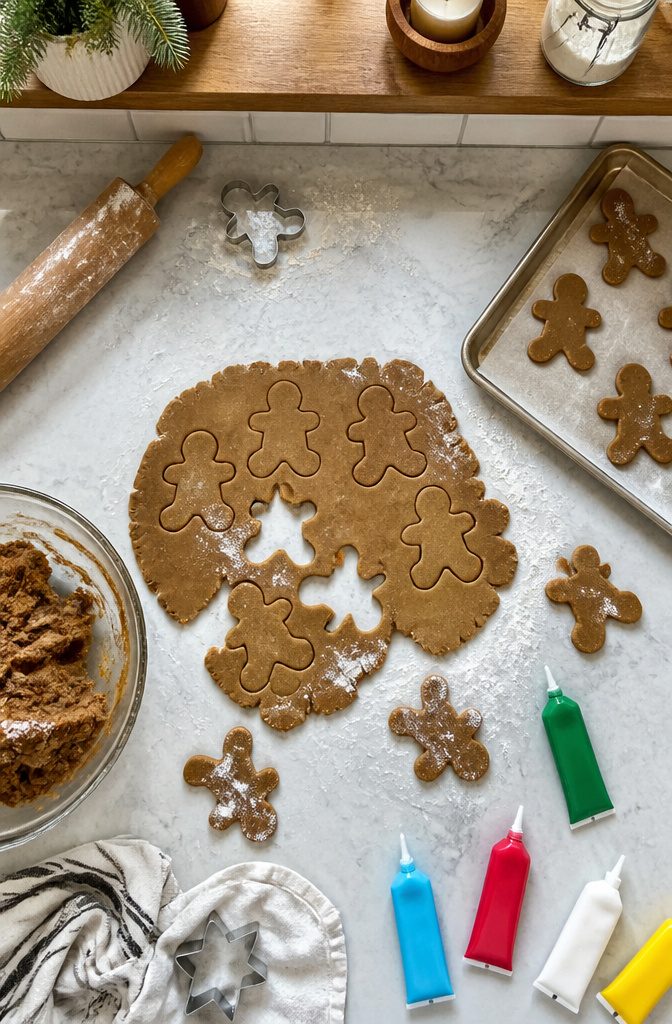
The smell of gingerbread still pulls me back faster than any candle ever could.
Rolling dough thick enough to hold its shape, pressing the little man cutter into the slab, and piping eyes that always end up lopsided; the activity itself is the memory, not the cookie.
Last year my niece spent twenty minutes decorating one figure, then ate it in two bites, and that ratio is about right.
Making decorations from what you already own works the same way. Paper chains cut from grocery bags, orange slice garlands dried in the oven at 200 degrees overnight, or clipping branches from the backyard to stick in a jar.
The result looks handmade because it is, and that is why you did it.
Writing cards beats wrapping presents for the people you actually miss. A few sentences about a shared moment, mailed for the cost of a stamp, outlasts anything that batteries go into.
The card arrives when the tree is down and the returns are done, and someone still has proof they mattered to you in December.
Why Excitement Sometimes Fades
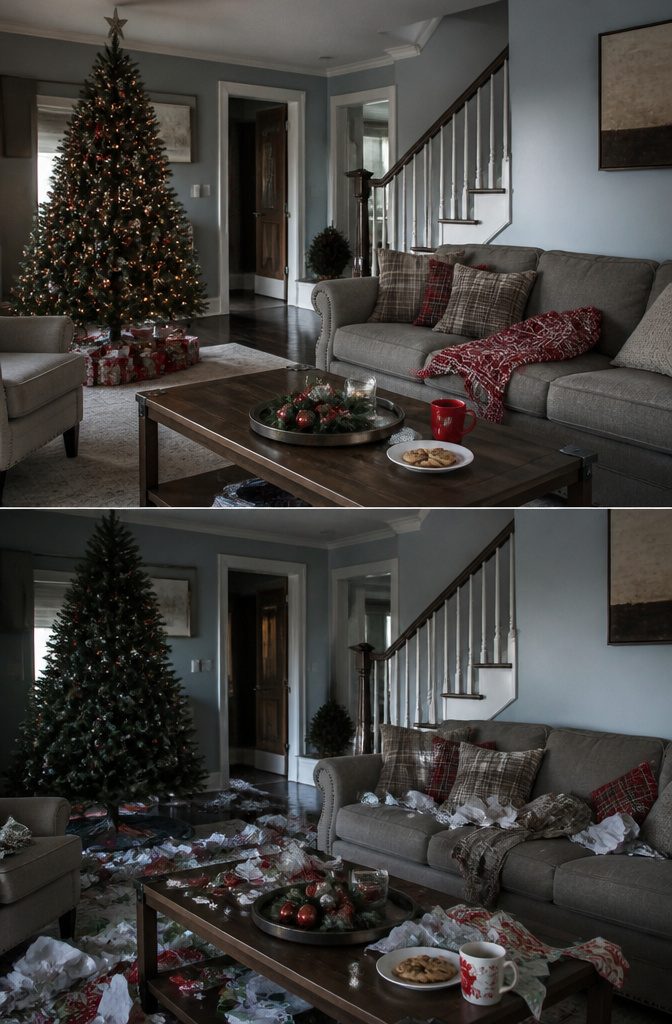
The excitement that once hit you at 25, hard enough to make you physically sick on Christmas Eve, tends to flatten with age. Adults learn that wish fulfillment works differently when your list holds paid-off credit cards instead of roller skates.
The child who believed a pair of grey-and-pink skates would make life complete did not yet know that the wanting is often better than the having.
Consumerism accelerates the fade. The same commercial pressure that builds anticipation through October also trains you to measure the day by what you receive, and that accounting rarely satisfies.
The morning after Christmas carries its own particular weight: the wrapping sits in bags, the new items already feel ordinary, and the thing you wanted most either disappointed or disappeared into the pile.
Some years I have felt the loss by evening, the anticipation drained out before the tree lights went off.
The cycle is not subtle. Joy builds for weeks, compresses into a few hours, then leaves a hollow that lasts longer than the excitement did.
Recognizing this pattern does not mean skipping the season; it means understanding where the real value sits, and it is rarely in the peak moment itself.
Bringing the Feeling Back

The excitement we feel around Christmas is usually tied to something we did, not something we bought. A few shifts in how you spend the season can bring that feeling back without adding to the clutter.
- Read the Christmas accounts in the gospels slowly, the way you might study a recipe you’re nervous about, and let the story surprise you again. Wonder stays alive when you sit with it long enough for details to surface.
- Write cards that say something real about why you’re glad that person exists. It costs almost nothing and takes longer than a text, which is exactly why it lands differently.
- Serve a meal at a soup kitchen instead of adding another exchange to your calendar. Seeing joy on someone else’s face does something retail never will.
- Choose one tradition your household already has and protect it fiercely, even if that means skipping something newer and shinier. Repetition is what makes a ritual feel like home.
The older we get, the more it takes to fill the heart with wonder, and only what actually matters is big enough to do it.
Ways to Celebrate on a Real Budget
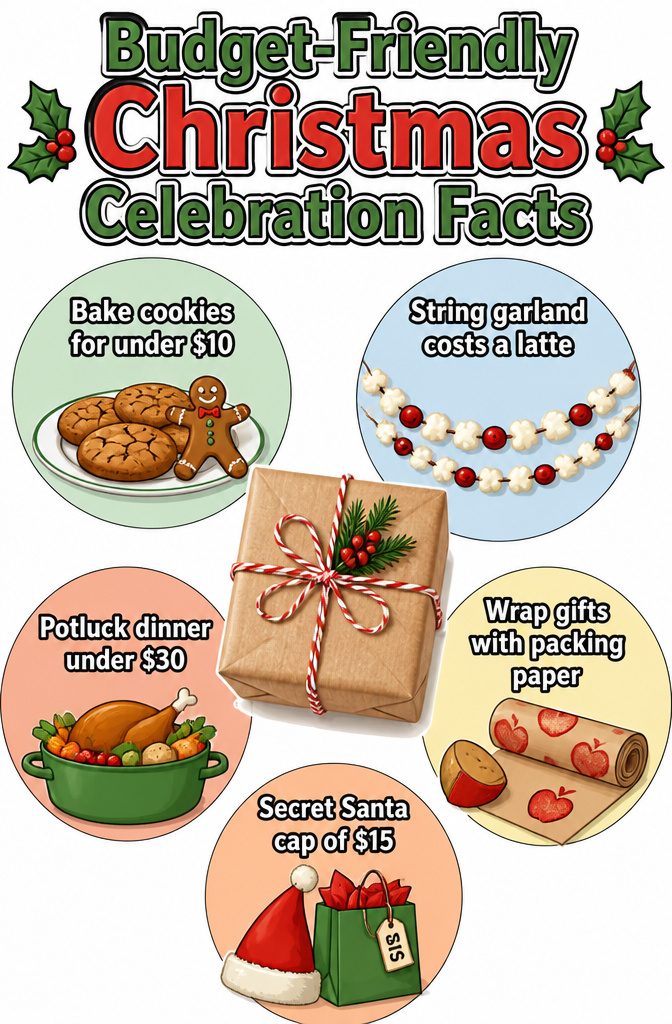
A weekend and a hundred dollars covers more Christmas than most people think.
- Bake one thing that fills the house. A batch of ginger molasses cookies costs under $10 in flour, butter, and spices, and the smell does half the decorating for you. I skip the fancy piping bags; a zip-top bag with the corner snipped off works until the heat softens the chocolate.
- String popcorn and cranberries from the dollar store into a garland that drapes a whole window for the price of a latte. It takes two episodes of a show to finish, and it composts in January.
- Host a potluck dinner instead of cooking the whole roast yourself. Assign the sides, you handle the turkey or the centerpiece pie. Everyone leaves full, nobody spends more than $30.
- Wrap gifts in brown packing paper stamped with a potato half and red acrylic paint. The print looks intentional at three feet; wrapping paper runs $5–8 a roll and rips in seconds.
- Trade Secret Santa among adults and set the cap at $15. The constraint forces better choices than a $50 gift card ever did.
Frequently Asked Questions
How can I retain my excitement for Christmas?
Focus on what you do rather than what you buy.
Read the Nativity accounts slowly enough for details to surprise you, write cards that say something real about why you value the person, and protect one tradition your household already has even if newer options look shinier.
The birth of Jesus is the one part of Christmas that does not flatten with repetition, and returning to it rebuilds wonder when the season feels like a checklist.
What are some ways to celebrate Christmas?
Gather with family over shared meals, decorate with lights on a timer so you do not overexpose yourself to them, bake gingerbread or molasses cookies, string popcorn and cranberry garlands, and write cards instead of leaning only on wrapped presents.
If the budget is tight, serve a meal at a soup kitchen with family; the season asks for presence more than perfection.
At what age do kids get excited for Christmas?
Adults chase the form of this feeling instead, decorating earlier each year, because the original content, unmediated wish fulfillment, is unrepeatable after childhood ends.
What is the 7 gift rule for Christmas?
It does suggest a $15 cap for adult Secret Santa exchanges, noting that the constraint forces better choices than a $50 gift card, and it recommends trading gifts among adults rather than buying for everyone.
Why does Christmas make me feel happy?
The happiness comes from layered sources: memory triggered by scent or song, the forward motion of decorating and planning, and the gathering itself which people remember more than the decorations.
The anticipation is half the joy, and it is anticipation you shape with your own hands. The wanting is often better than the having, which is why the weeks before can feel richer than the day itself.





